 KBEAU
The moment your beauty begins,
KBEAU is with you
Only verified premium clinics. From treatment info and price comparison
to 1:1 consultation in your language and aftercare — one seamless journey.
Why KBEAU?
We don't sell clinics — we build journeys you can trust.
Only personally verified clinics
Licensing, credentials, international patient experience and aftercare — verified before any contract.
The quote is the price
KBEAU works with each clinic to ensure no costs are added beyond your written quote.
With you from start to finish
Airport pickup, same-day interpretation and recovery check-ins by your dedicated manager.
We've scrutinized hundreds of clinics and selected only the verified ones.
KBEAU partners only with clinics that pass every one of these checks.
* Verified by KBEAU before every partnership.
K-Beauty Medical Tourism in Numbers
※ Source: Korean MOHW · KHIDI, 2025 International Patient Statistics (Apr 2026) · spending figures from the 2024 Spending Pattern Report
Browse — the right choice for you
Treatments in the guide, partner clinics in the list, and the best deals in monthly events.
Ask — anything at all
Every consultation, quote and itinerary is free. Reach us on your favorite channel.



Experience — from arrival to recovery
First time? Five steps is all it takes.
Real-time chat guidance by your manager · private transfer
Accommodation nearby · dining & convenience tips
Final consult & tests with your interpreter · tomorrow confirmed
A light dinner and rest before your treatment
Shine — recovery and beyond
Reads for your recovery days, and stories from our guests.
Recovery diary — D-DAY to D+30
More telling than star ratings: the actual recovery, day by day.
Consultation with interpreter · same-day quote
Right after treatment · hotel drop-off, evening remote check
Stitches out, swelling down · follow-up visit
Back to daily life · photo-based remote follow-up
* Lifting example — recovery varies by person.
From the moment I landed until I flew home, my personal manager handled everything. They checked in on me at my hotel every day after the procedure — it truly put me at ease.
I loved how transparent the pricing was — not a single cost was added beyond the original quote.
Reach us on your favorite channel
Partner-only information is ready on separate pages.
Clinics Curated by KBEAU
Verified for credentials, licensing, international patient experience and aftercare. Browse by area and specialty.
Partner Clinics12
Best Clinics by Treatment
Every clinic has different strengths. Our picks by treatment, based on ratings and consultation data. (Example data)
Every Treatment, One Guide
Mechanism, duration, downtime and price range at a glance. Prices are examples; get a free quote for exact costs.
A signature treatment that injects hyaluronic acid straight into the dermis to flood the skin with moisture and an inner glow.
Uses salmon DNA to spur skin renewal — smoothing fine lines, pores and texture.
A gentle laser that fades melasma, blemishes and dullness — easy to fit into a travel itinerary.
Microneedling RF that tackles pores, scars and firmness in one go.
Recovery & stay guide by procedure
The questions we get most when planning a trip — typical ranges at partner clinics.
| Procedure | Duration | Downtime | Suggested stay | Lasts |
|---|---|---|---|---|
| Skin booster (Rejuran) | about 30 min | Mild redness 1–3 days | 2–3 days | 3–6 months |
| Glow injection | about 20 min | Half day–1 day | 1–2 days | 1–2 months |
| Laser / pico toning | 10–15 min | Almost none | Same day–1 day | Builds per session |
| Botox | 10–30 min | Almost none | Same day–1 day | 3–6 months |
| Filler | 10–30 min | Swelling/bruise 1–5 days | 2–3 days | 6–18 months |
| Thread lift | 30–60 min | Swelling/bruise 3–7 days | 5–7 days | 6–24 months |
| Ulthera / Thermage | 40–60 min | Almost none | Same day–1 day | 6–18 months |
| Double eyelid | 30 min–1 hr | Swelling 1–2 wks | 7–10 days | Semi-permanent |
| Rhinoplasty | 1–2 hrs | Splint/stitches about 7 days | 7–14 days | Permanent |
| Hair transplant | 3–8 hrs | Scabs 5–14 days | 7–10 days | Permanent |
* Typical ranges only — results vary. Your exact schedule comes with a free quote.
Popular Procedures at a Glance
| Procedure | Duration | Recovery time | Duration of results | Price range (example) |
|---|---|---|---|---|
| Glow skin booster | 30 minutes | Same day | 2~3 months | Consult for price |
| Shurink lifting 300 shots | 30 minutes | Same day | 3~6 months | Consult for price |
| Pico toning (1 session) | 20 minutes | Same day | Cumulative improvement | Consult for price |
| Ulthera 300 shots | 40 minutes | Same day | 1 year+ | Consult for price |
| Natural-adhesion double eyelid | 1 hour | 5~7 days | Semi-permanent | Consult for price |
| Veneer (1 tooth) | 2 visits | Same day | 10 years+ | Consult for price |
| SMILE LASIK | 30 minutes | 1~3 days | Semi-permanent | Consult for price |
July — Best of This Month
Updated on the 1st of every month. Members get new events first.
Pre & Post Treatment Care
Care before and after matters as much as the treatment itself.
Before your treatment
Stop alcohol and smoking at least 2 weeks before, and avoid aspirin, omega-3, vitamin E and other supplements that affect circulation.
Tell us about medications, allergies and past procedures during consultation. On the day, come rested, lightly fed and comfortably dressed.
After your treatment
Protect the area from direct sun and friction, and follow the prescribed ointment and dressing instructions for the full period.
Swelling and bruising usually settle within 1–2 weeks. Avoid alcohol, saunas and hard exercise for 1–2 weeks, and contact the clinic immediately if you notice severe pain, fever or discharge.
Tips from Korean dermatologists
Reapply SPF50+ every 3 hours to prevent pigmentation and help scars heal.
Your skin barrier is sensitive — stick to gentle skincare for 3–5 days.
1.5–2L of water a day helps drain swelling and regenerate skin.
Cool compresses for the first 48 hours, then warmth to boost circulation.
Nicotine reduces blood flow and delays wound healing — pause for 2 weeks around treatment.
Trust the clinic's check-up schedule rather than self-judgment — it's the surest way to prevent complications.
Recovery timeline Q&A
How swollen will I be at day 7?
Lifting and petit treatments mostly settle; contour or eye/nose surgery is at 50-70% recovery. Cold packs and a high pillow help.
When can I wear makeup?
Next day for non-surgical treatments; about 2 weeks after stitch removal for incision areas.
When can I exercise or use a sauna?
Walks after 1 week, cardio after 2, sauna and alcohol after 1 month.
* General guide — your clinic's instructions come first.
Detailed After-Care by Procedure
Aftercare varies slightly with the procedure you had. The following is general guidance — the instructions from the clinic that treated you always take priority.
Laser · Mole removal · Tattoo removal · Hair removal
General — Sun protection is essential after any laser treatment. Always apply sunscreen to prevent pigmentation and discoloration. Washing your face and wearing makeup are usually fine from the next day, and any redness, itching or stinging settles within a few hours (moisturize generously). If a scab forms, don't pick at it — keep it moisturized and let it fall off naturally. Melasma, blemishes, tattoo removal and hair removal aren't done in one session and require several rounds. If blisters appear, tell the clinic and your personal manager right away.
After laser — Skin can become dry, so moisturize well and avoid harsh toner pads or at-home exfoliation.
Mole & tattoo removal — There may be minor bleeding, so a regenerating tape is applied; replace it with a fresh one as it weeps (about 2 weeks to 1 month). Pigment deep in the skin can rise, so the spot may reappear — a repeat treatment is done once it has fully healed. For one week afterward, avoid strenuous exercise, jjimjilbang, saunas and alcohol.
Hair removal — Irritated follicles can lead to folliculitis (apply the prescribed ointment in a thin layer). Between sessions, no waxing, tanning or tweezing.
Filler · Thread lifting · Skin boosters
General — Washing your face is fine, but heavy drinking, smoking, meridian massage and strenuous exercise can trigger inflammation, so avoid them for 3~5 days. Bruising, swelling, tenderness and dimpling ease within a few days, and you may feel a slight foreign-body sensation. Pressure on the treated area (hats, glasses, sleeping position, massage) can shift the result, so take care, and if antibiotics are prescribed, take them exactly as directed. We'll call the next day to check on you — please be sure to answer. If you notice severe pain, fever, skin-color changes or blisters, contact us immediately.
Filler — Results and how long they last vary with your skin and volume; a first treatment can swell more and last a shorter time.
Thread lifting — The absorbable medical threads dissolve gradually over about 6 months while stimulating collagen. If a thread pokes out or shows through, the clinic can fix it easily — just let us know. Any awkwardness when opening your mouth or making expressions improves with time.
Skin boosters · Glow injections — Because the injections sit shallowly in the dermis, a bumpy 'embossing' effect can appear, and injection marks may last as long as about a week.
Botox · Contouring injections
General — Washing your face and wearing makeup are fine the same day. Avoid heavy drinking, meridian massage and strenuous exercise for 3~5 days, and skip heat on the treated area (hot compresses, radiofrequency, etc.) for 3~5 days, as it can reduce the effect. A stiff or tingling feeling comes as the muscle relaxes and improves within a month.
Jaw (masseter) · Salivary gland — Avoid hard or chewy foods, which can build compensatory muscle. If your mouth feels dry, stay well hydrated.
Wrinkles · Skin Botox — If you tend to use your forehead muscles a lot, your eyes may feel heavy to open afterward (light massage or a warm compress helps). Any unnatural feeling in your expressions eases within a week.
Body Botox · Hyperhidrosis — After calf or thigh treatment, you may feel leg numbness or weakness between 2~4 weeks, so take care with high heels, stairs and driving. Try not to carry heavy loads or bags on one side, and any grip weakness after palm-hyperhidrosis treatment recovers within a few days.
Contouring · Fat-dissolving injections — Massage gently for 2~3 days so the solution spreads evenly. Flushing and slight menstrual-cycle changes are temporary; tingling, itching and warmth can last about a month, and massage or a warm compress helps.
Lifting (Shurink · Ulthera · Thermage, etc.)
General — Throbbing or a hot sensation after treatment settles within a few hours. Skin can get dry, so moisturize well. Lifting results appear gradually over 2~4 weeks rather than instantly, and both the effect and its duration depend on your skin's elasticity, sagging and thickness. If blisters appear, let us know right away.
Radiofrequency · Ultrasound lifting — It's best to avoid cold compresses and cold-water washing for 2~3 days so the skin's warmth lingers. A little bleeding or scabbing can occur after some treatments, so keep moisturizing. Pairing contouring injections or skin boosters adds synergy for fat management and skin texture — we'll advise on combining them during your consultation.
Precautions After Laser Lifting Procedures
Possible Symptoms
- Symptoms such as temporary redness, burning, stinging, tightness, or swelling may occur.
- The specific degree varies by individual, and most symptoms naturally subside over time.
Post-Procedure Precautions
- On the day of the procedure, do not rub or massage the skin vigorously.
- When washing your face, cleanse gently with lukewarm water and a mild cleansing product.
- For at least 1 week, avoid irritating treatments and procedures such as scrubs, exfoliation, or lasers.
- For 1 week, avoid saunas, jjimjilbangs (Korean traditional saunas), hot baths, excessive alcohol consumption, and strenuous exercise.
- Your skin may feel dry or tight, so please use plenty of moisturizing products.
- When going out, apply sunscreen thoroughly and avoid strong sunlight.
- For 1 week, avoid refrigerated sheet masks, ice packs, and cold water face washes.
Contact the Hospital If:
If severe pain or swelling persists or worsens, or if blisters, severe skin damage, or abnormal skin discoloration appear, please contact the clinic.
※ The procedure's effectiveness and recovery process may vary depending on individual skin condition and the type of procedure.
※ If you experience any uncomfortable symptoms or have questions, please contact the clinic.
Precautions After Filler and Collagen Stimulator Procedures
Possible Symptoms
- Symptoms such as swelling, bruising, redness, tenderness when pressed, or a foreign body sensation may appear at the treated area.
- The treated area may temporarily feel uneven or firm.
- Most symptoms naturally subside over time.
Post-Procedure Precautions
- Do not press or massage the treated area vigorously.
- For the time being, avoid saunas, jjimjilbangs, hot baths, and strenuous exercise.
- For 1 week, avoid excessive alcohol consumption and smoking.
- Avoid actions that strongly compress the treated area.
- If you have swelling or pain, cold compresses may help relieve it.
- Use sunscreen and avoid treatments that irritate the skin.
- The prescribed medication is an anti-inflammatory painkiller. If you have drug allergies, inform the clinic, and be sure to take the prescribed medication as directed.
Contact the Hospital If:
If severe pain, swelling, or skin discoloration appears, or if symptoms worsen, contact the clinic immediately.
※ The recovery process may vary depending on the treated area and individual skin condition.
※ If you experience any unusual symptoms or have questions, please contact the clinic.
Precautions After Botox (Botulinum Toxin) Injections
Possible Symptoms
- Symptoms such as swelling, bruising, redness, or pain may appear at the injection site.
- Temporary stiffness or discomfort may appear at the injection site.
- After receiving Botox injections in the face, some individuals may temporarily experience unnatural facial expressions or asymmetry.
- After receiving Botox injections in a body area, you may temporarily experience stiffness or a feeling of weakness in that area.
Post-Procedure Precautions
- Do not lie down or apply strong pressure to the injection site within approximately 4 hours after the injection.
- Do not rub or massage the injection site vigorously.
- For one week, avoid saunas, jjimjilbangs (Korean dry saunas), hot baths, and strenuous exercise.
- For 1 week, avoid excessive alcohol consumption and smoking.
- For the time being, avoid skin care treatments or massages that could irritate the injection site.
Contact the Hospital If:
If severe pain or swelling persists, or if you experience difficulty breathing, difficulty swallowing, or other systemic abnormal symptoms, contact the hospital immediately.
※ The recovery process and effects may vary depending on the injection site and individual condition.
※ If you experience any unusual symptoms or have questions, please contact the clinic.
Precautions After Pore and Scar Treatment
Possible Symptoms
- After the procedure, you may experience redness, burning, stinging, dryness, or worsening of skin troubles.
- Your skin may become rough or develop fine dead skin cells.
- Temporarily, needle marks or small scabs may appear after the procedure.
- The specific extent varies by individual, and most symptoms naturally improve over time.
Post-Procedure Precautions
- On the day of the procedure, avoid cleansing and makeup as much as possible. (If cleansing is necessary, gently wash with lukewarm water.)
- Use mild cleansing and moisturizing products, and avoid skin irritation.
- Do not forcibly remove dead skin cells or scabs; let them fall off naturally. Apply plenty of regenerative cream or moisturizing products to aid skin regeneration.
- Before your skin has fully recovered, avoid using irritating cosmetics such as scrubs, exfoliants, retinol, and irritating skin care treatments.
- For one week, avoid saunas, jjimjilbangs (Korean dry saunas), hot baths, and strenuous exercise.
- When going out, apply sunscreen thoroughly and avoid strong sunlight.
- If your skin feels dry or tight, use plenty of moisturizing products.
Contact the Hospital If:
If severe pain, swelling, blisters, discharge appear, or if skin damage worsens, contact the hospital for consultation.
※ The recovery period may vary individually depending on the intensity of the procedure and skin condition.
※ If you experience any unusual symptoms or have questions, please contact the clinic.
Precautions After Skin Booster (Skin Regeneration) Procedures
Possible Symptoms
- Symptoms such as swelling, bruising, redness, stinging, and pain may appear at the procedure site.
- Temporarily, fine bumps (unevenness) or needle marks may appear on the skin.
- The specific degree varies by individual, and most symptoms naturally subside over time.
- Temporarily, allergic reactions or skin troubles may appear. These symptoms usually improve naturally over time, but if discomfort persists, contact the hospital.
Post-Procedure Precautions
- Do not press or rub the procedure site vigorously.
- On the day of the procedure, avoid excessive alcohol consumption and strenuous exercise.
- For the time being, avoid high-temperature environments such as saunas, jjimjilbangs, and hot baths.
- Avoid treatments that can irritate the skin, such as scrubs or exfoliation.
- If your skin feels dry or tight, use plenty of moisturizing products.
- When going out, use sunscreen and avoid strong sunlight.
- Do not arbitrarily massage or apply pressure to the procedure site.
Contact the Hospital If:
If severe pain or swelling persists or worsens, or if abnormal symptoms such as blisters, discharge, or changes in skin color appear, contact the hospital.
※ The recovery process may vary depending on the type of procedure and individual skin condition.
※ If you experience any unusual symptoms or have questions, please contact the clinic.
Precautions After Thread Lifting Procedures
Possible Symptoms
- Symptoms such as swelling, bruising, redness, a pulling sensation, or tenderness when pressed may appear.
- The procedure site may temporarily appear uneven or asymmetrical.
- You may experience a pulling sensation when opening your mouth wide or making facial expressions.
- The specific extent varies by individual, and these symptoms may gradually subside during the recovery process.
Post-Procedure Precautions
- Do not press, rub, or massage the procedure site vigorously.
- In the early stages of recovery, avoid opening your mouth wide or making excessive facial expressions.
- Avoid sleeping on your stomach or adopting positions that put pressure on the treated area.
- For the time being, avoid saunas, jjimjilbangs, hot baths, and strenuous exercise.
- Avoid excessive alcohol consumption and smoking.
- Before your skin has fully recovered, avoid irritating skincare treatments such as scrubs and exfoliation.
- When washing your face or applying makeup, be careful not to pull or rub the treated area vigorously.
- You may hear a sound like a thread breaking when you open your mouth or smile. This is the sound of the thread moving internally and does not mean the thread is easily breaking.
- Dimple-like indentations may appear relatively commonly. These usually resolve naturally over time, so there is no need to worry excessively.
- To prevent inflammation, be sure to take the medication provided by the clinic.
- If a thread end is felt on the skin surface or a thread protrudes, do not cut or pull it yourself at home; be sure to visit the clinic.
Contact the Hospital If:
If severe pain or swelling persists or worsens, or if you experience changes in skin color, noticeable burning, discharge, or thread exposure, please contact the clinic.
※ The recovery process may vary depending on the treated area, the type of threads used, and individual skin condition.
※ If you experience any unusual symptoms or have questions, please contact the clinic.
Precautions After Hyaluronidase (Filler Dissolving) Procedures
Possible Symptoms
- Symptoms such as swelling, bruising, redness, stinging, and itching may appear in the treated area.
- As the filler dissolves, the volume may appear reduced compared to before the procedure.
- As swelling subsides, asymmetry between the left and right sides may appear, and the specific degree varies for each individual.
- If you have an allergy to hyaluronidase medication, itching or severe swelling may occur. If you have an allergy, please inform the clinic.
Post-Procedure Precautions
- Do not press, rub, or massage the procedure site vigorously.
- For 1 week, avoid excessive alcohol consumption and strenuous exercise.
- For the time being, avoid high-temperature environments such as saunas, jjimjilbangs, and hot baths.
- Avoid treatments that can irritate the skin, such as scrubs or exfoliation.
- When going out, use sunscreen and be careful not to irritate the treated area.
- For 1 week, avoid alcohol consumption and smoking.
- Depending on the amount of filler injected, it may not completely dissolve in one session, and additional dissolving treatments may be required later.
- To receive another filler procedure, you must wait at least 2 weeks and proceed after confirming your recovery status.
Contact the Hospital If:
If severe pain or swelling persists or worsens, or if abnormalities such as difficulty breathing or systemic allergic symptoms appear, contact the hospital immediately.
※ The effects and recovery process of hyaluronidase may vary depending on the type, volume, and area of the injected filler, as well as individual condition.
※ If you experience any unusual symptoms or have questions, please contact the clinic.
Precautions After Pigment Laser and CO2 Laser Spot Removal
Possible Symptoms
- Symptoms such as redness, burning, or stinging may appear at the procedure site.
- After mole removal, scabs or small wounds may appear at the procedure site.
- After pigment laser treatment, the pigmentation may temporarily appear darker.
- The specific extent varies by individual, and these symptoms may gradually improve during the recovery process.
Post-Procedure Precautions
- If you have applied a DuoDERM regenerative patch, keep it on for at least 1 week.
- If the DuoDERM regenerative patch swells, leaks fluid, or falls off, replace it.
- Do not forcibly remove scabs or dead skin; allow them to fall off naturally.
- Do not rub or scratch the treated area vigorously.
- If the clinic has advised the use of a regenerative cream or ointment, use it according to their instructions.
- When washing your face, cleanse gently with lukewarm water and a mild cleansing product.
- For the time being, avoid saunas, jjimjilbangs, hot baths, and strenuous exercise.
- Before your skin has fully recovered, avoid irritating skincare treatments such as scrubs and exfoliation.
- When going out, apply sunscreen thoroughly and avoid strong sunlight.
Contact the Hospital If:
If severe pain or swelling persists, or if blisters, discharge, severe skin damage, or symptoms of inflammation appear, please contact the clinic.
※ The recovery period may vary depending on the type of procedure, the area, and individual skin condition.
※ If you experience any unusual symptoms or have questions, please contact the clinic.
Precautions After Fat Dissolving Injections
Possible Symptoms
- Symptoms such as swelling, bruising, redness, and stinging may appear at the injection site.
- The injection site may temporarily feel firm or a lump may be palpable.
- Some individuals may experience temporary burning or itching.
- Most symptoms naturally subside over time.
Post-Procedure Precautions
- Do not press, rub, or massage the injection site vigorously.
- On the day of the injection, avoid excessive alcohol consumption and strenuous exercise.
- For the time being, avoid high-temperature environments such as saunas, jjimjilbangs, and hot baths.
- Avoid tight clothing that presses or rubs against the injection site.
- It is recommended to drink plenty of water and engage in light daily activities.
- Do not arbitrarily apply medication or other products to the injection site, and do not massage it on your own.
- In rare cases, if you are sensitive to the medication, dizziness or irregular vaginal bleeding may occur. These symptoms usually improve over time, but if discomfort persists, please contact the clinic.
Contact the Hospital If:
If severe pain or swelling persists or worsens, or if noticeable changes in skin color, blisters, discharge, or skin damage appear, please contact the clinic.
※ The recovery process and reactions may vary depending on the injection site, the medication used, and individual condition.
※ If you experience any unusual symptoms or have questions, please contact the clinic.
Precautions After Eye Plastic Surgery
Possible Symptoms
- After surgery, symptoms such as swelling, bruising, a pulling sensation, and tenderness when pressed may occur.
- Swelling may vary between both eyes, temporarily causing an asymmetrical appearance.
- You may experience stiffness or discomfort around the eyes, with the specific degree varying by individual.
Post-Procedure Precautions
- Do not rub your eyes or press on the eye area.
- Do not arbitrarily remove scabs or sutures from the surgical site.
- Do not cleanse or apply makeup to the surgical site before suture removal.
- Use ointments and prescribed medications as directed by the hospital.
- In the early recovery phase, keeping your head elevated above your heart while sleeping can help reduce swelling.
- Avoid saunas, jjimjilbangs (Korean bathhouses), hot baths, and strenuous exercise for the period advised by the hospital.
- Alcohol consumption and smoking can affect recovery, so avoid them for the period advised by the hospital.
- Begin wearing contact lenses and applying eye makeup after the period advised by the hospital.
Contact the Hospital If:
If you experience severe pain, sudden vision changes, severe bleeding or swelling, persistent discharge, or any other unusual symptoms, contact the hospital immediately.
※ Recovery period and precautions may vary depending on the surgical method and individual condition.
※ After surgery, prioritize following the instructions provided by your medical team, tailored to your individual condition.
Precautions After Acne Care and Exfoliation
Possible Symptoms
- Temporary redness, stinging, burning, and dryness may occur.
- After exfoliation, your skin may become dry or flaky.
- After acne extraction, temporary redness, irritation, or a temporary increase in breakouts may occur.
- The specific degree varies by individual, and most symptoms naturally subside over time.
Post-Procedure Precautions
- Do not forcibly remove dead skin or scabs.
- Do not squeeze or touch acne with your hands.
- When cleansing your face, do not rub your skin vigorously; use a mild cleansing product.
- If your skin feels dry or tight, use plenty of moisturizing products.
- Avoid additional exfoliation treatments such as scrubs or peels before your skin has fully recovered.
- For the time being, avoid saunas, jjimjilbangs, hot baths, and strenuous exercise.
- Avoid using potentially irritating products such as retinol or high-concentration Vitamin C until your skin condition stabilizes.
- When going out, apply sunscreen thoroughly and avoid strong sunlight.
Contact the Hospital If:
If severe pain, swelling, blistering, discharge, or skin damage persists or worsens, contact the hospital.
※ The recovery process may vary depending on the type of treatment, exfoliation product, and individual skin condition.
※ If you experience any unusual symptoms or have questions, please contact the clinic.
Beauty Guide
Recovery foods, traditional teas, Olive Young shopping and tax-refund tips.
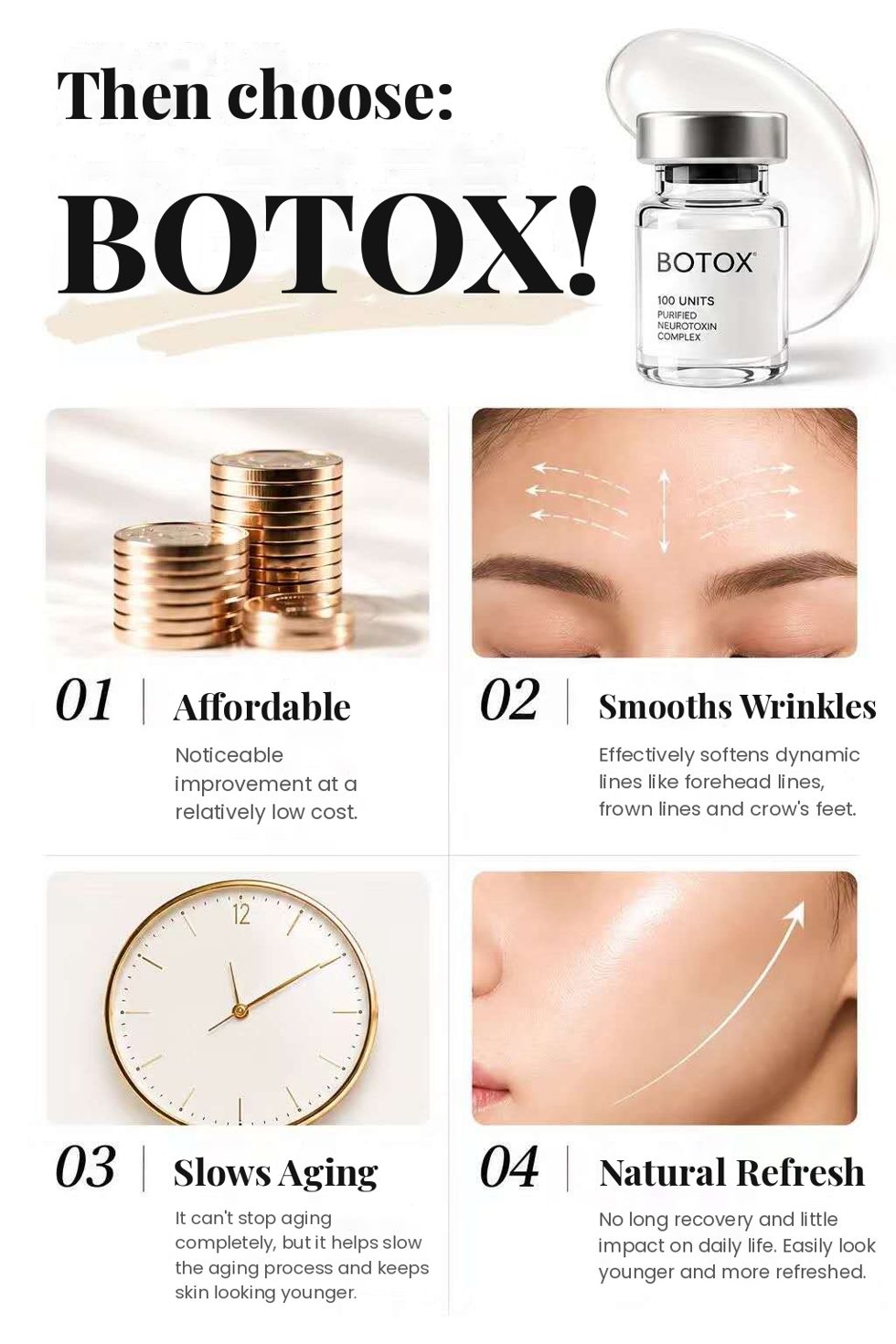
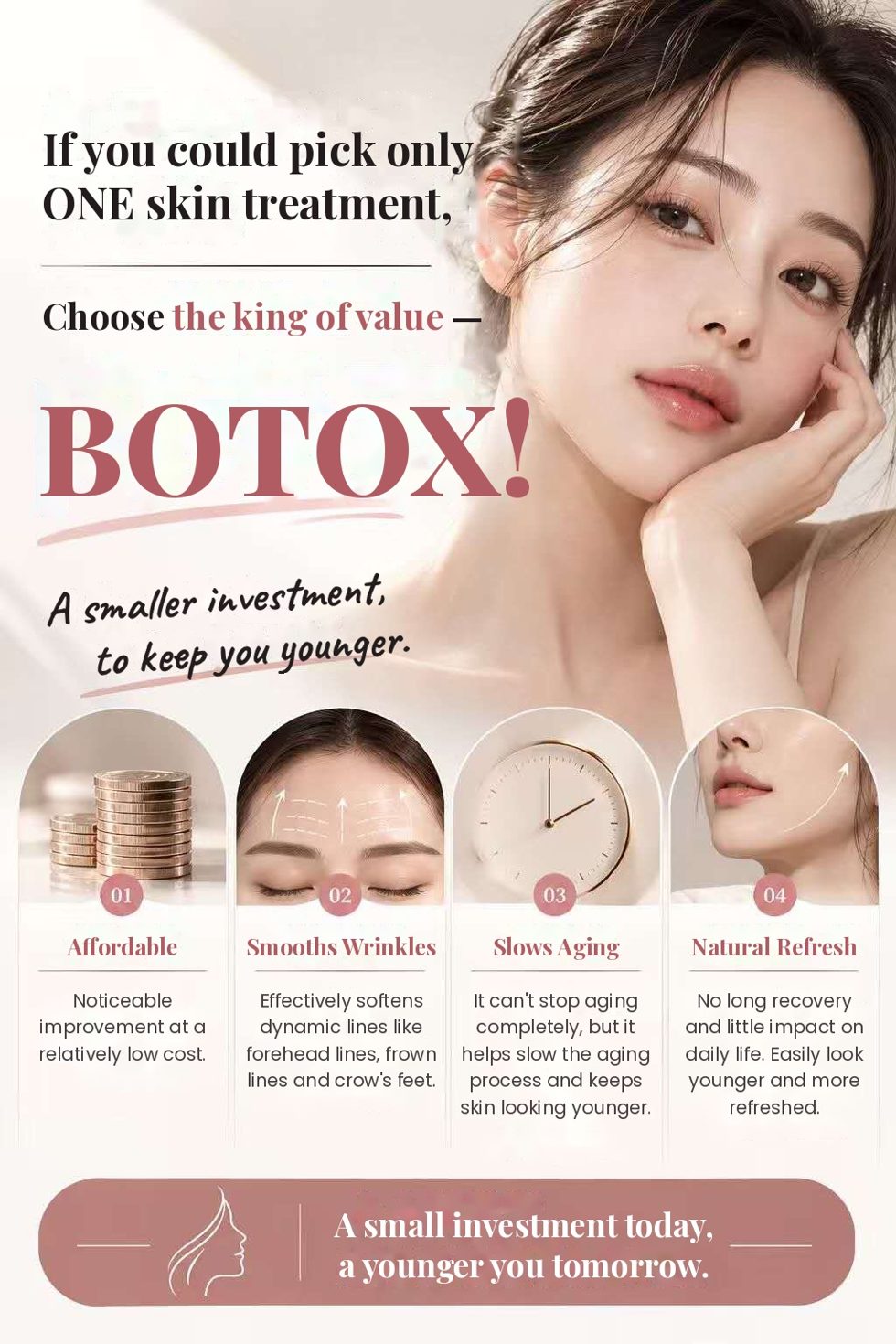
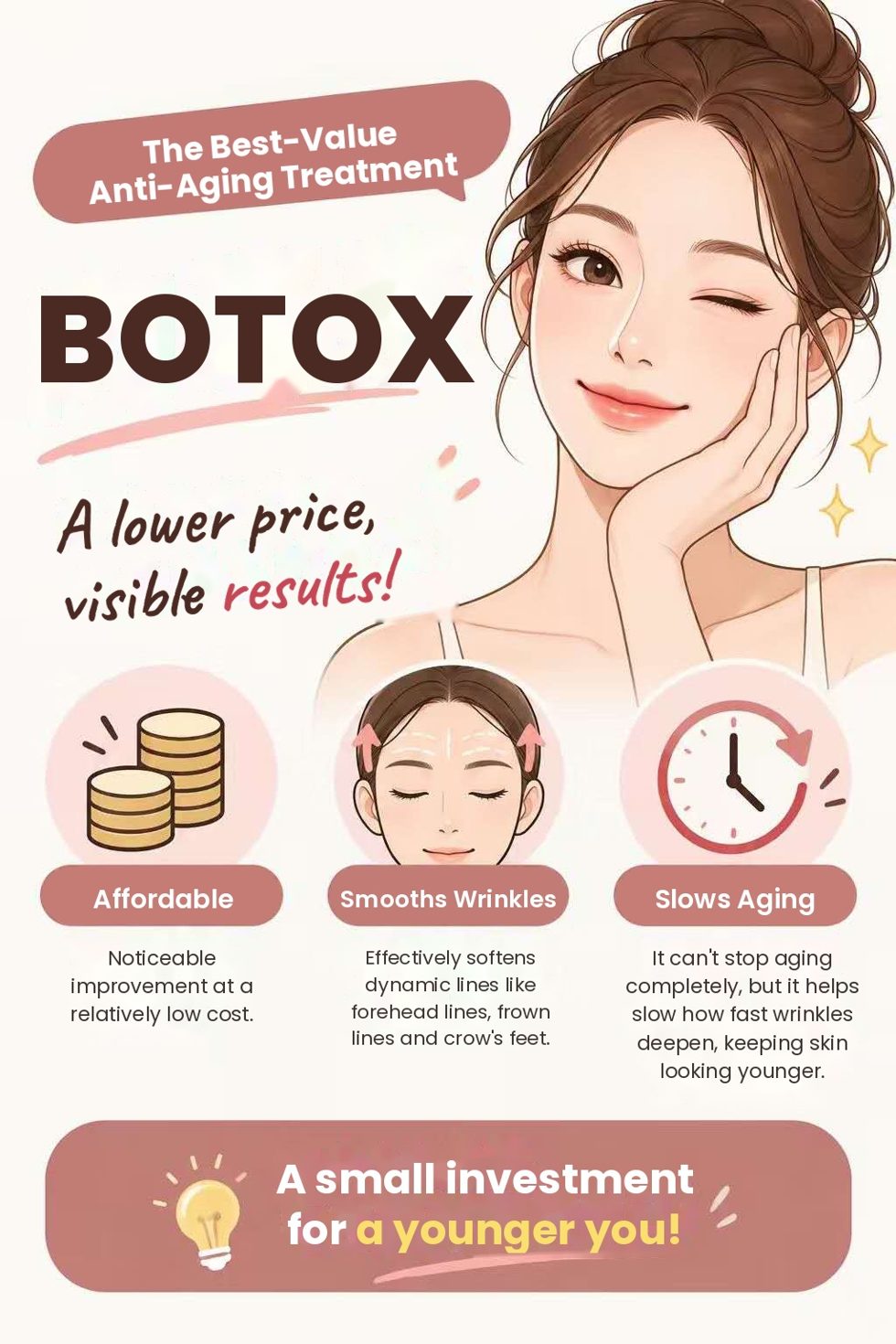
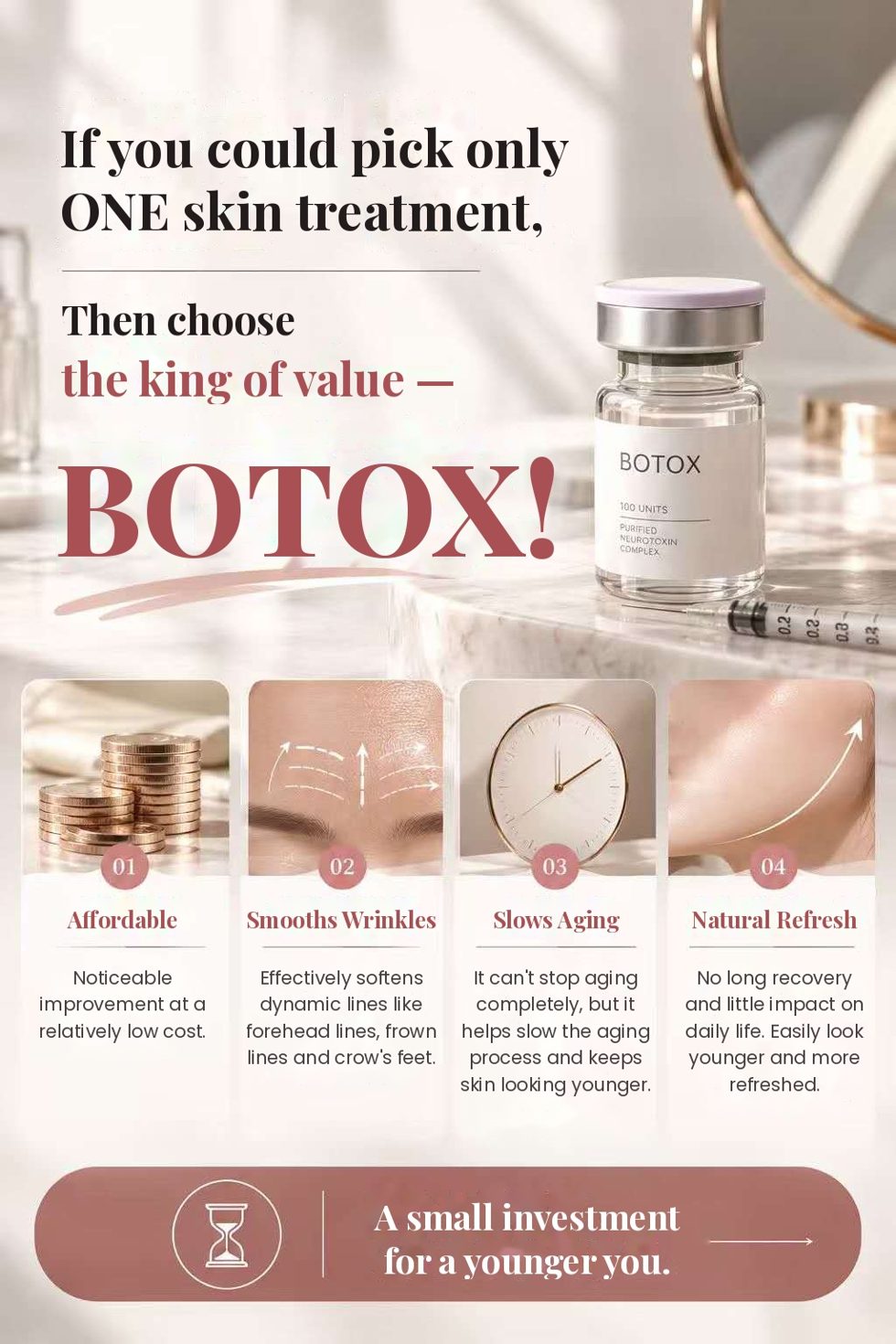
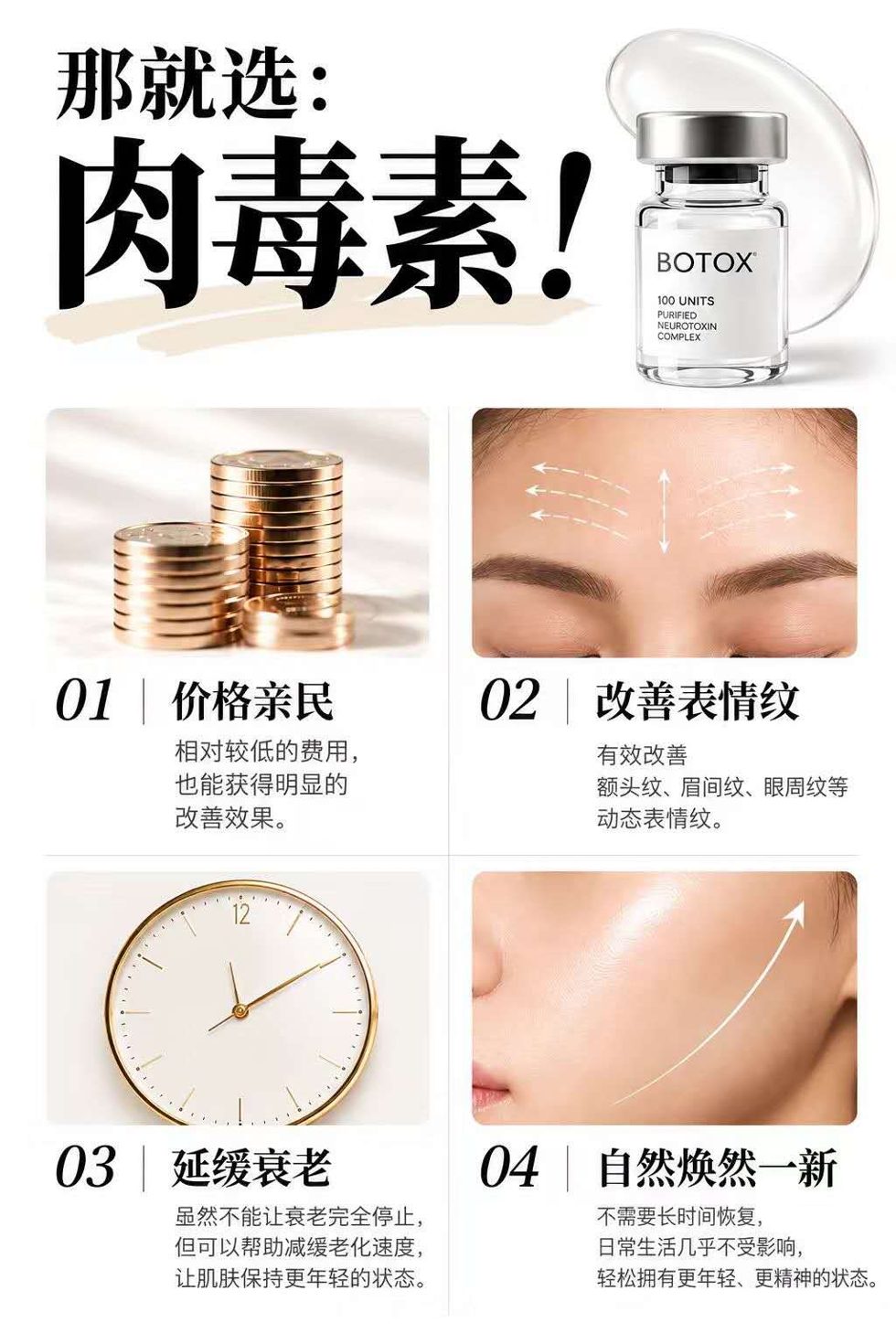
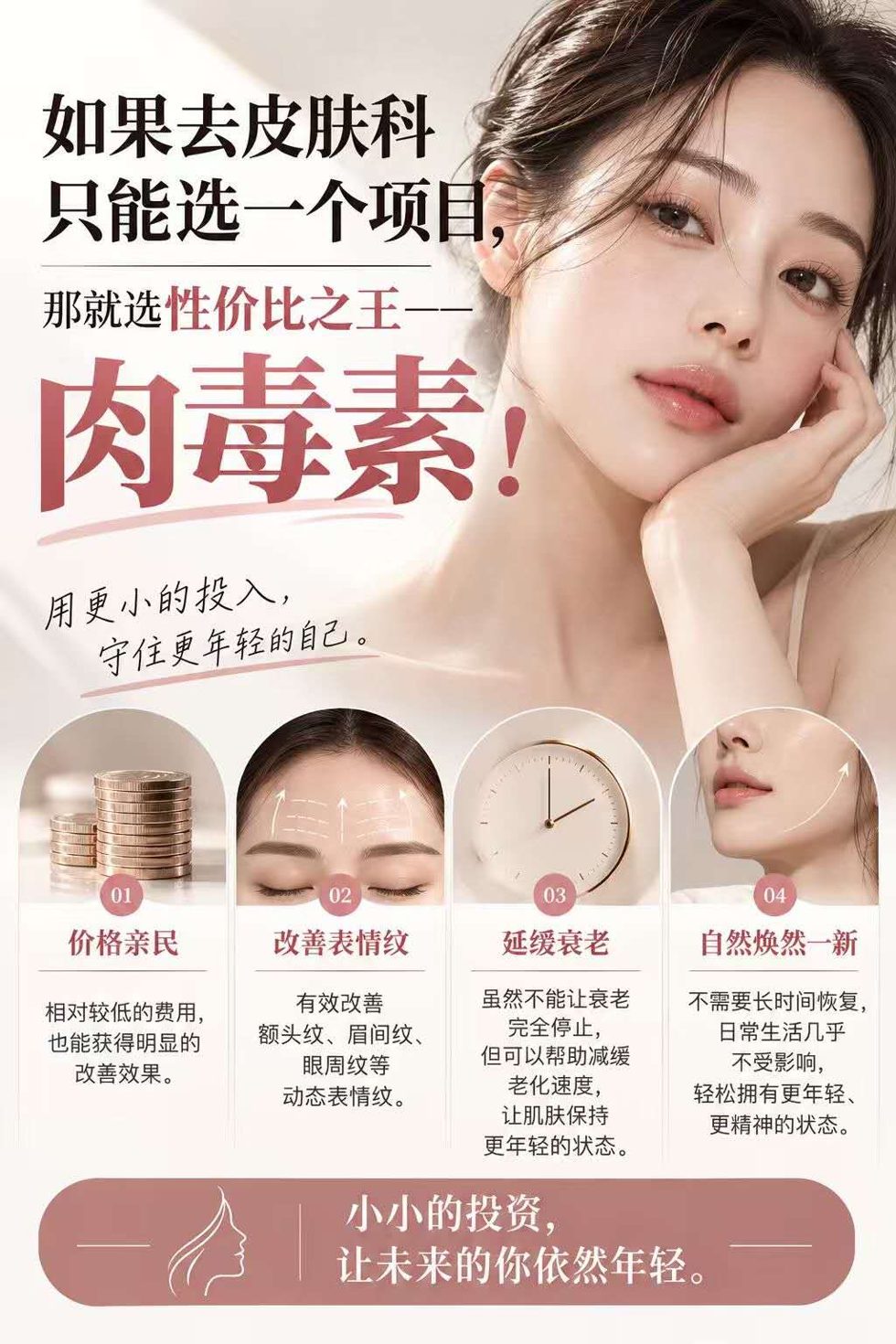
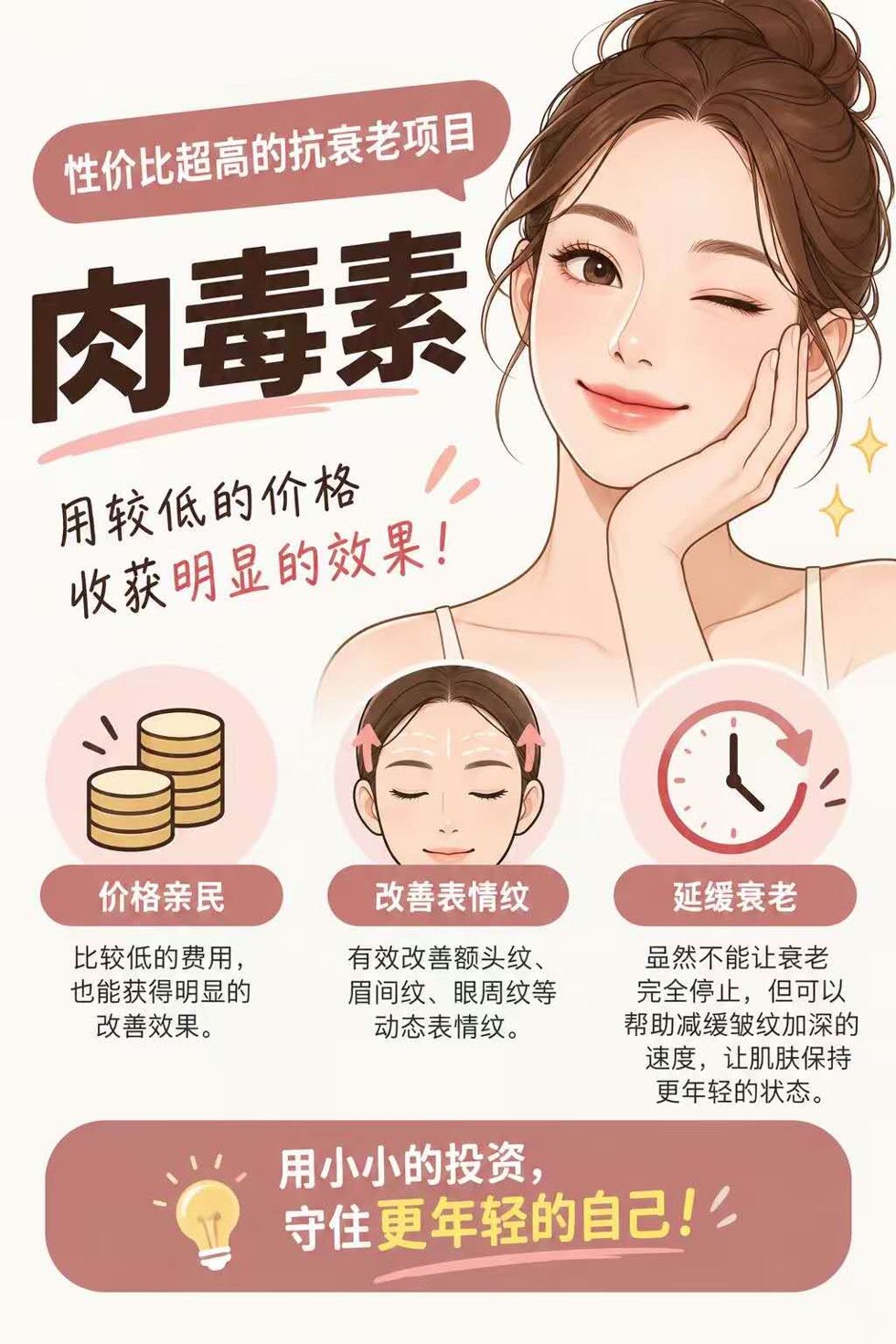
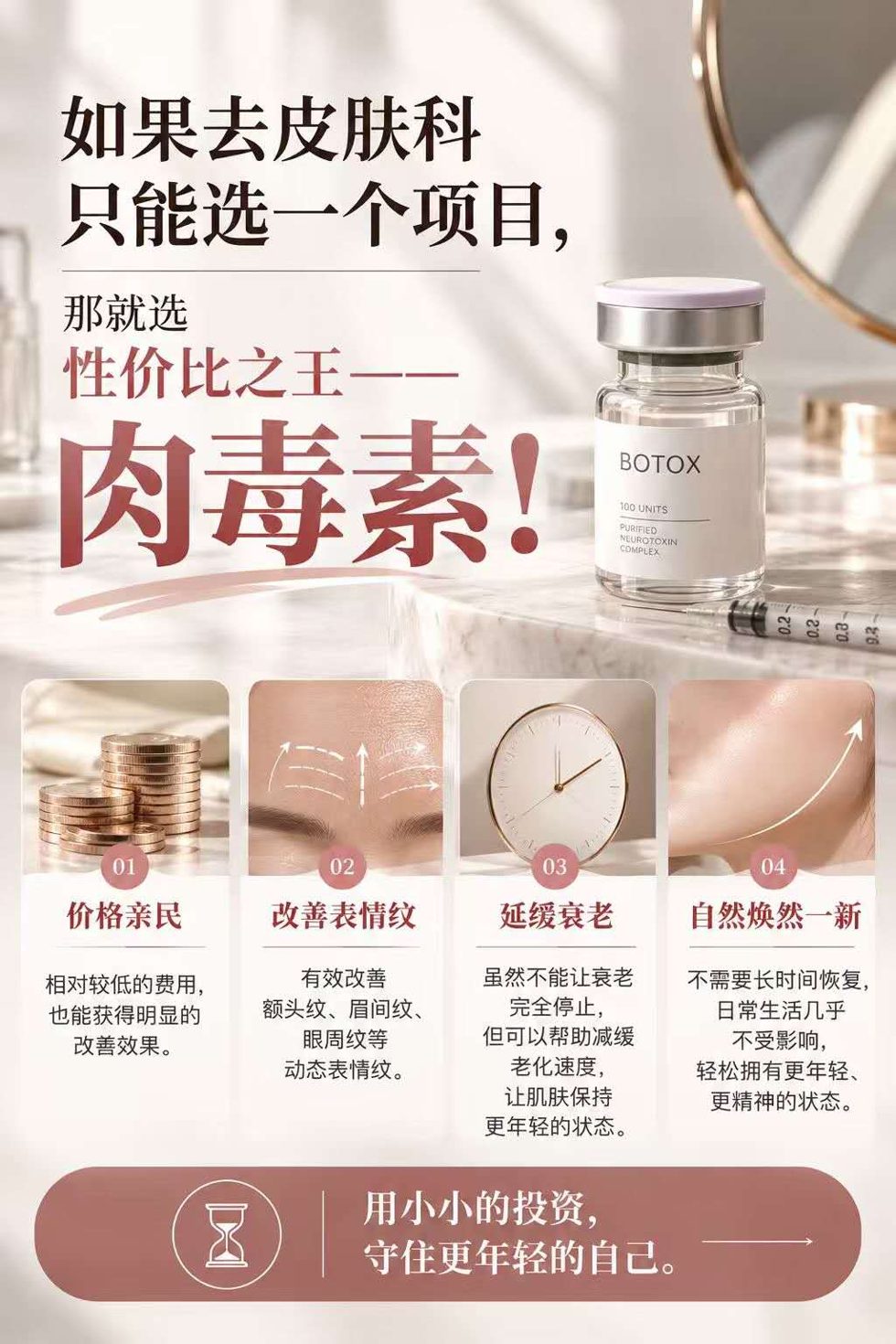
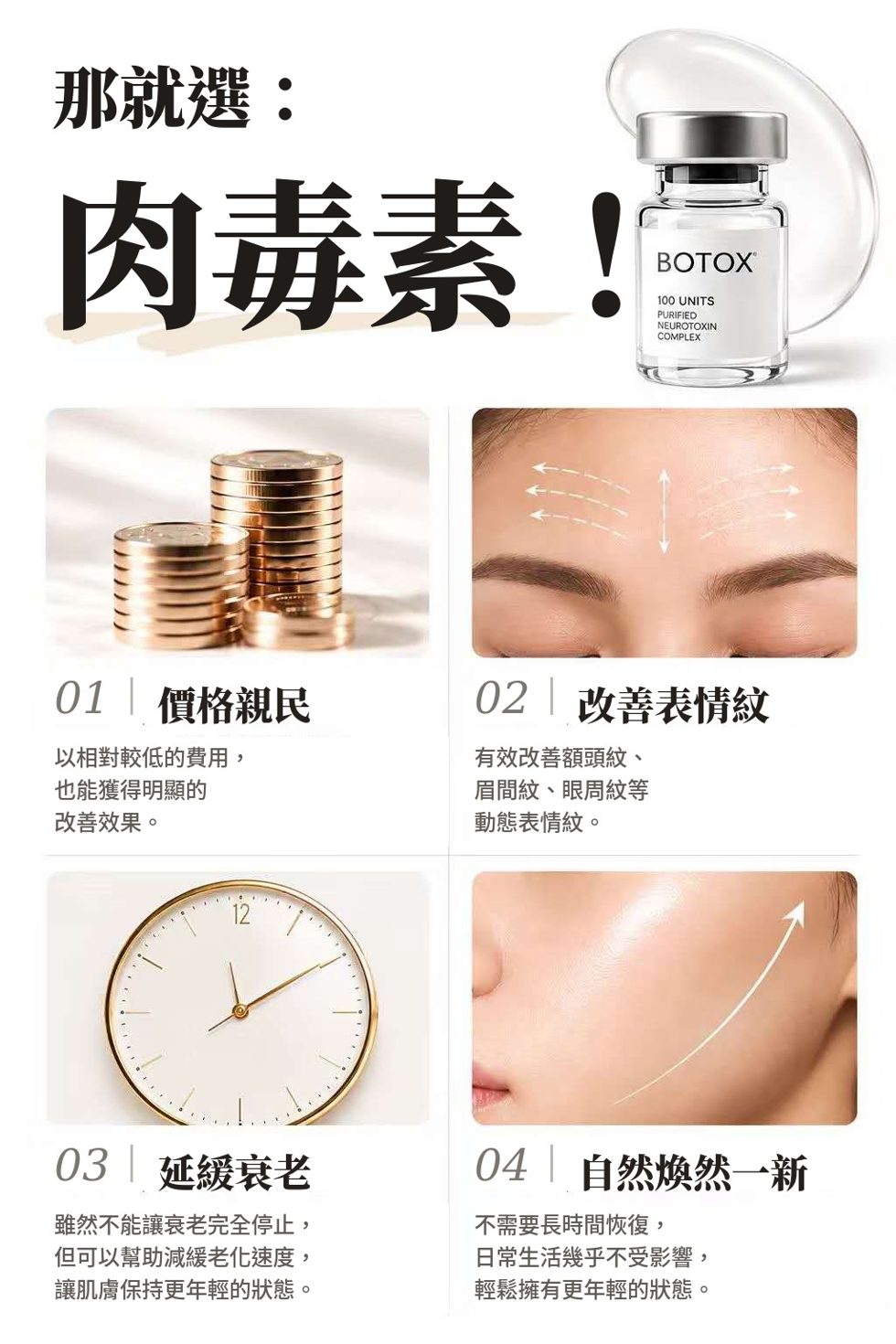
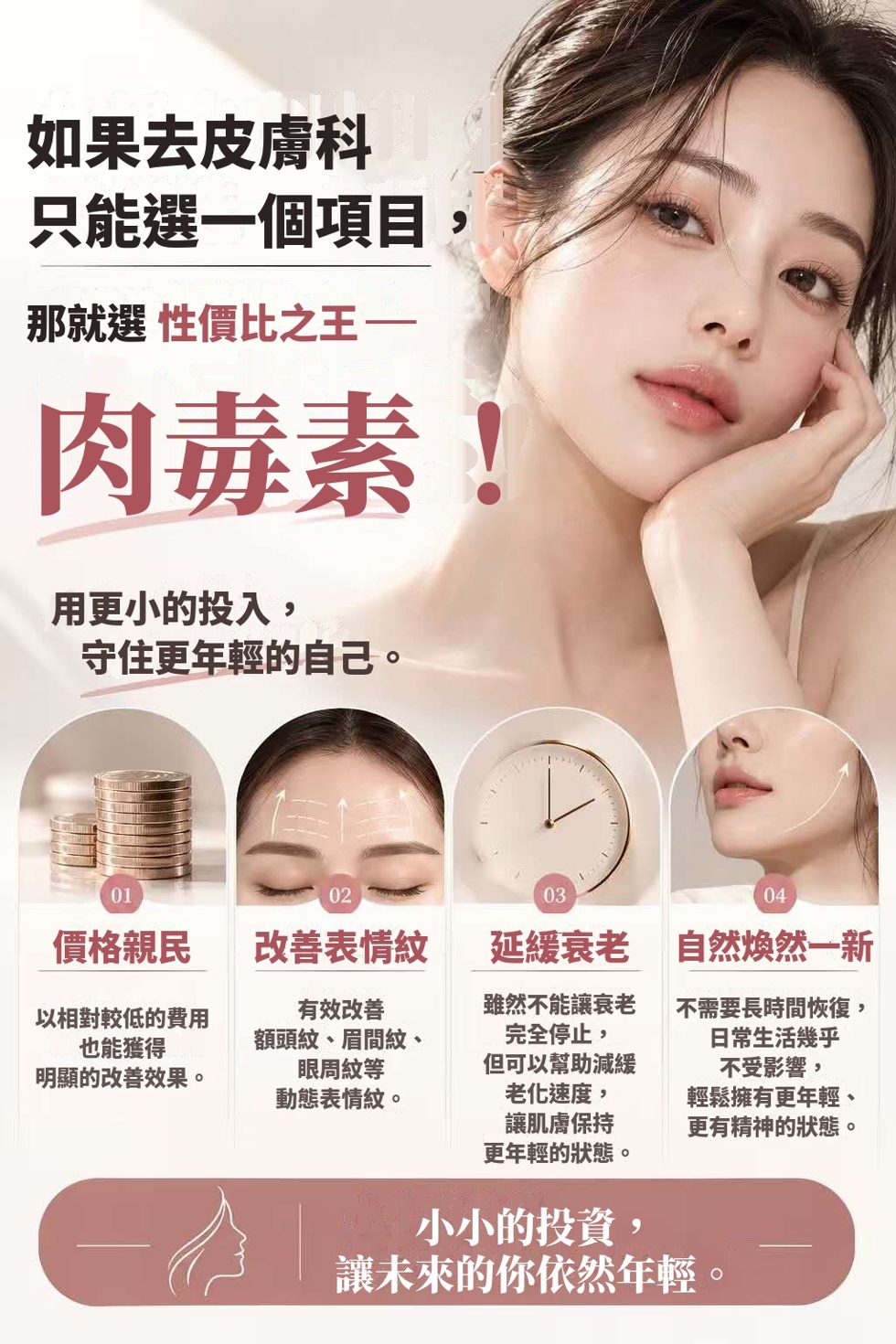
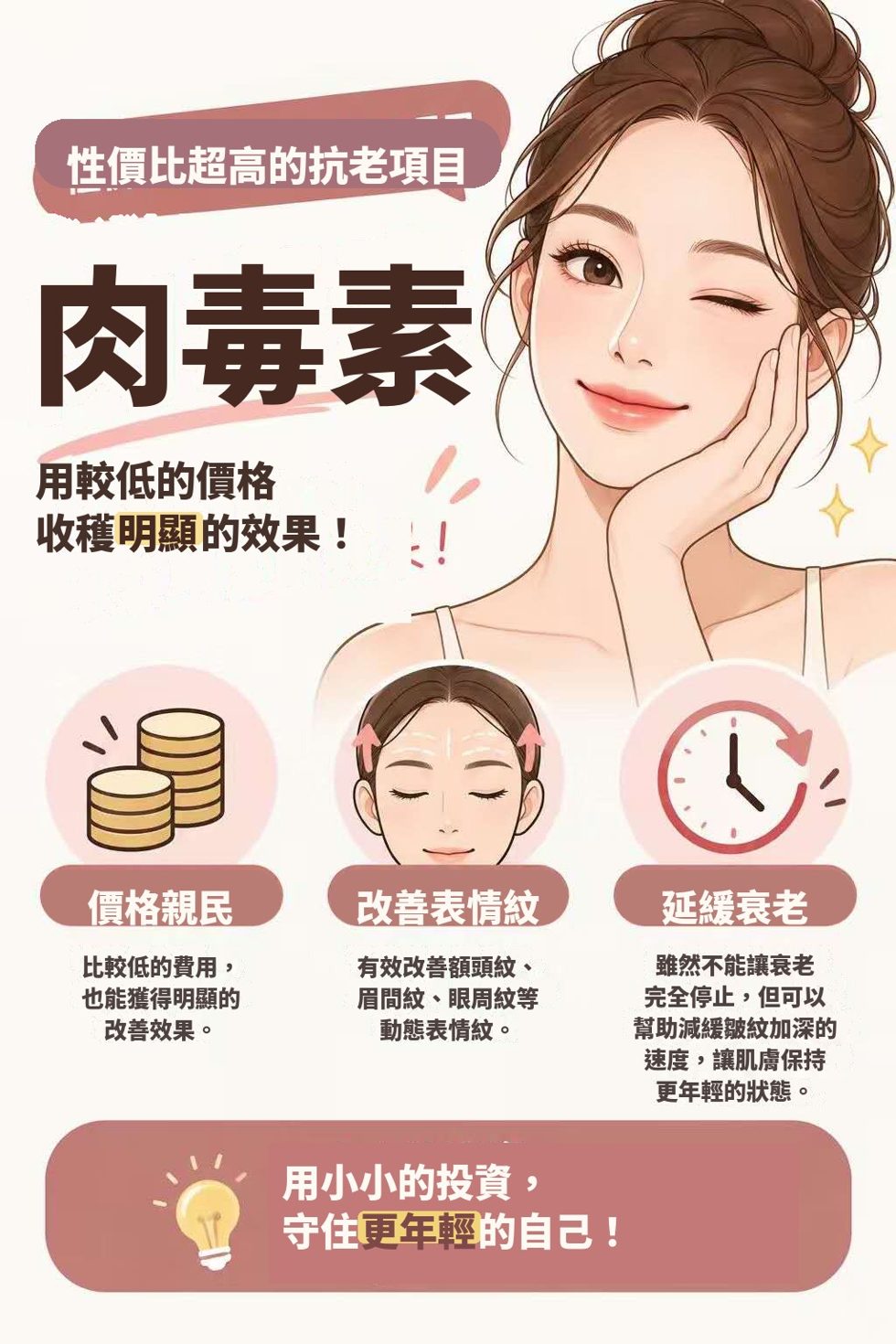
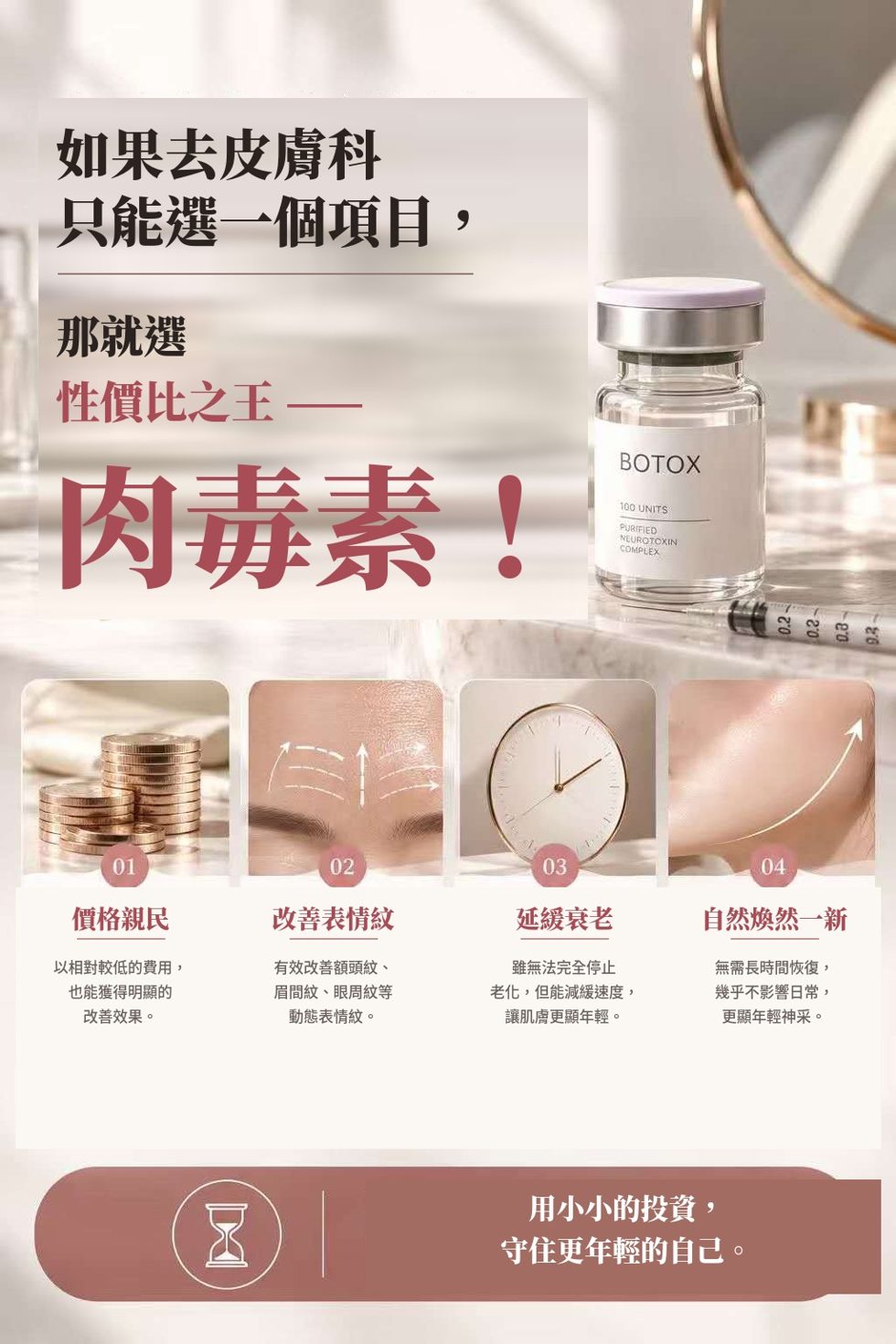
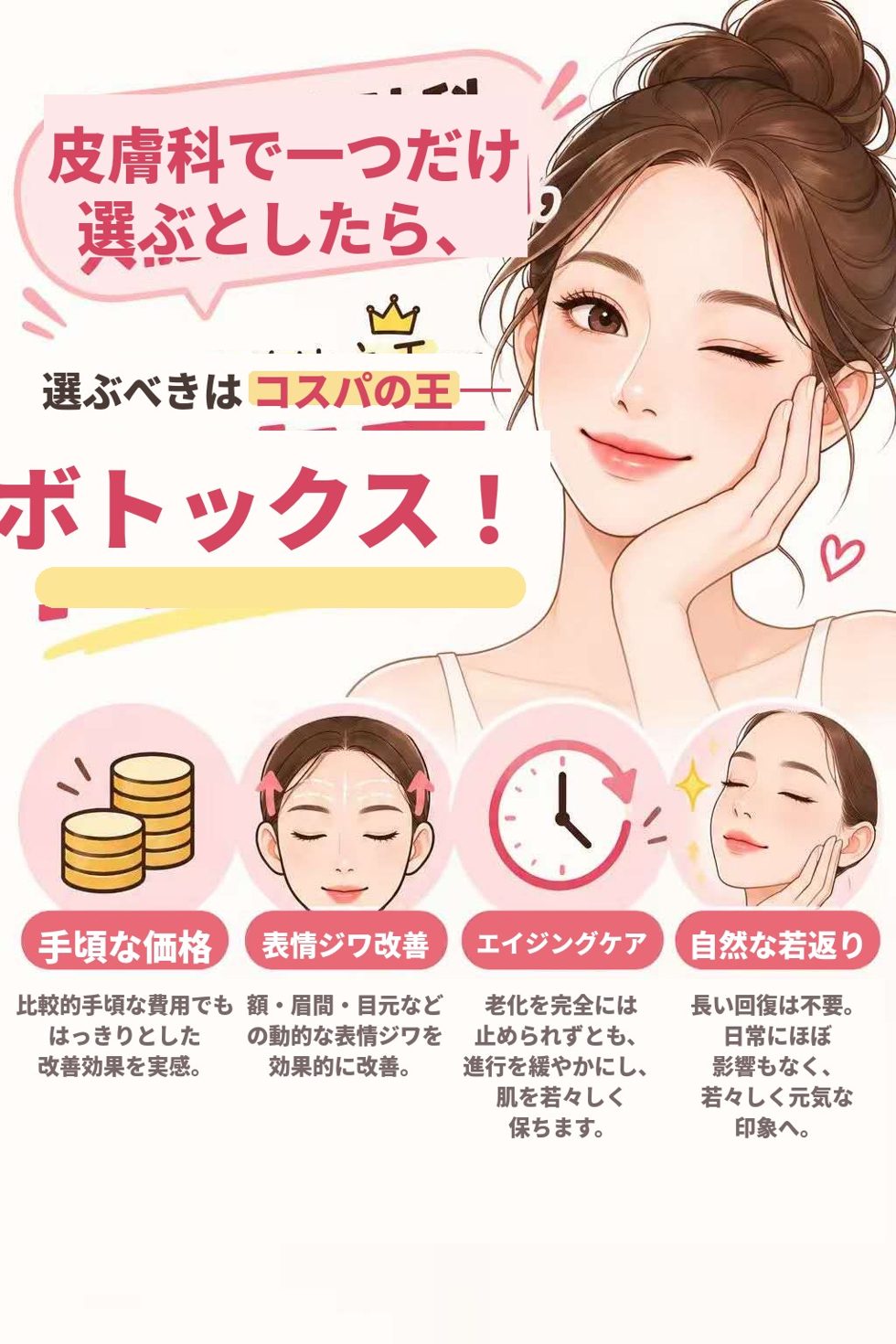
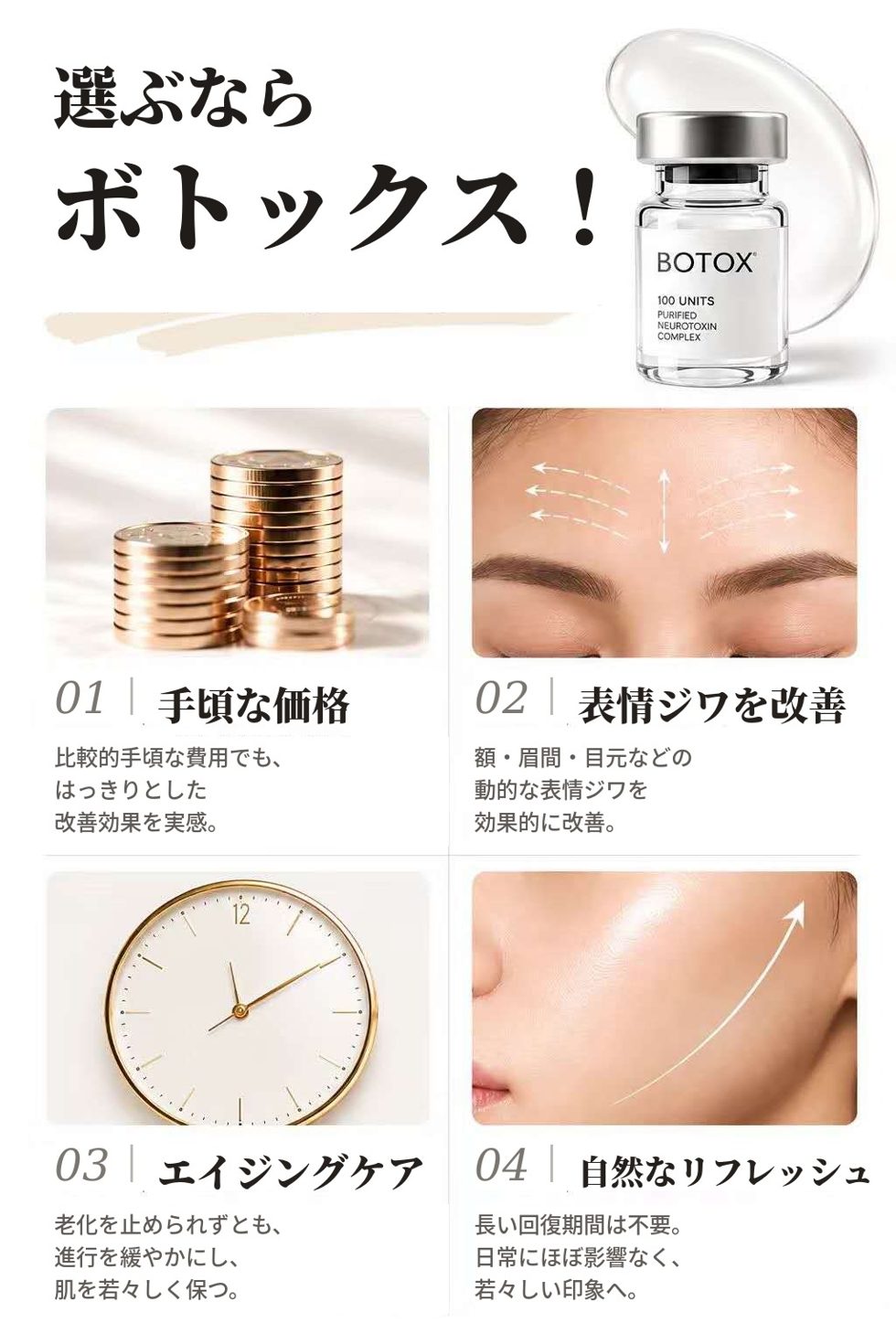
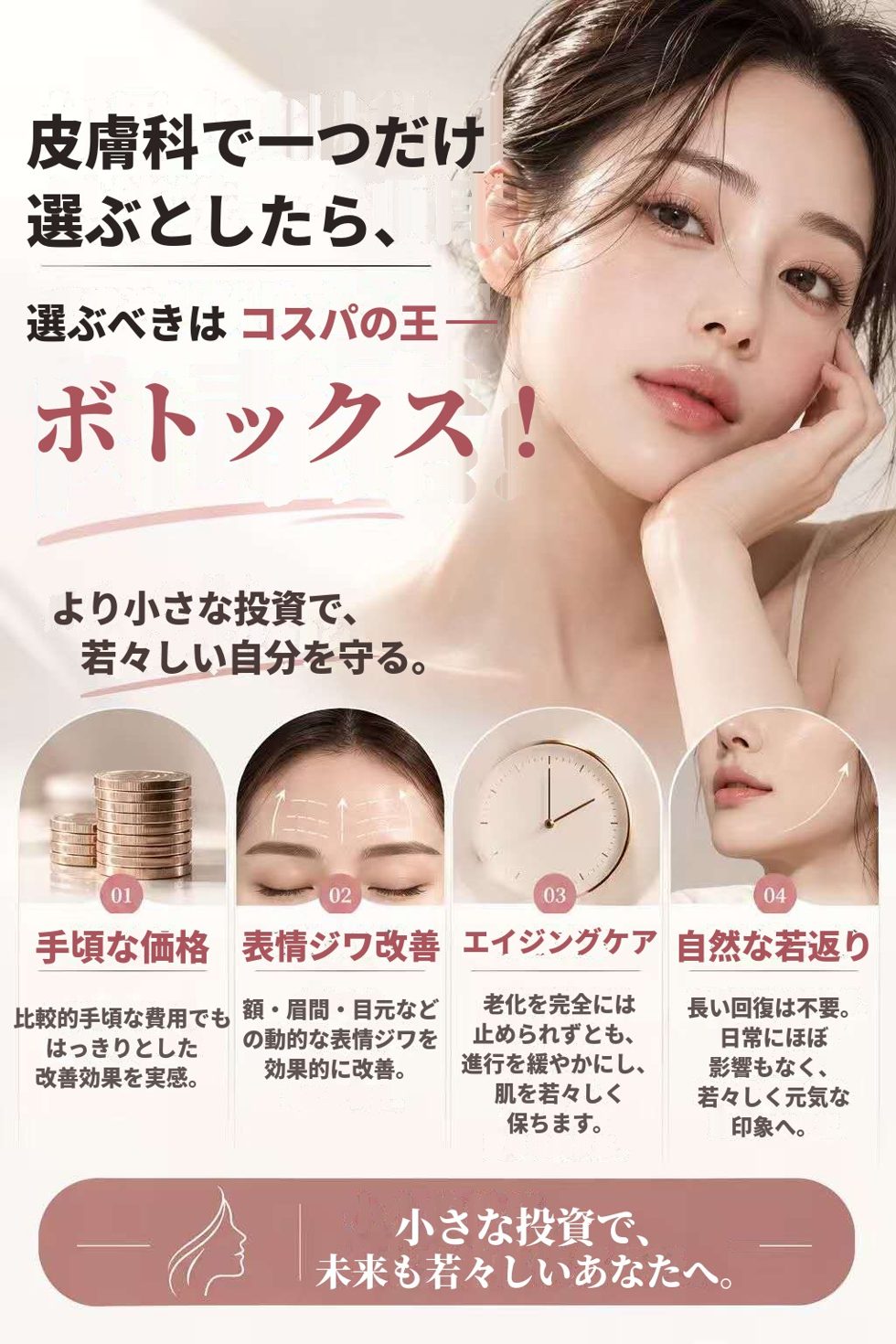
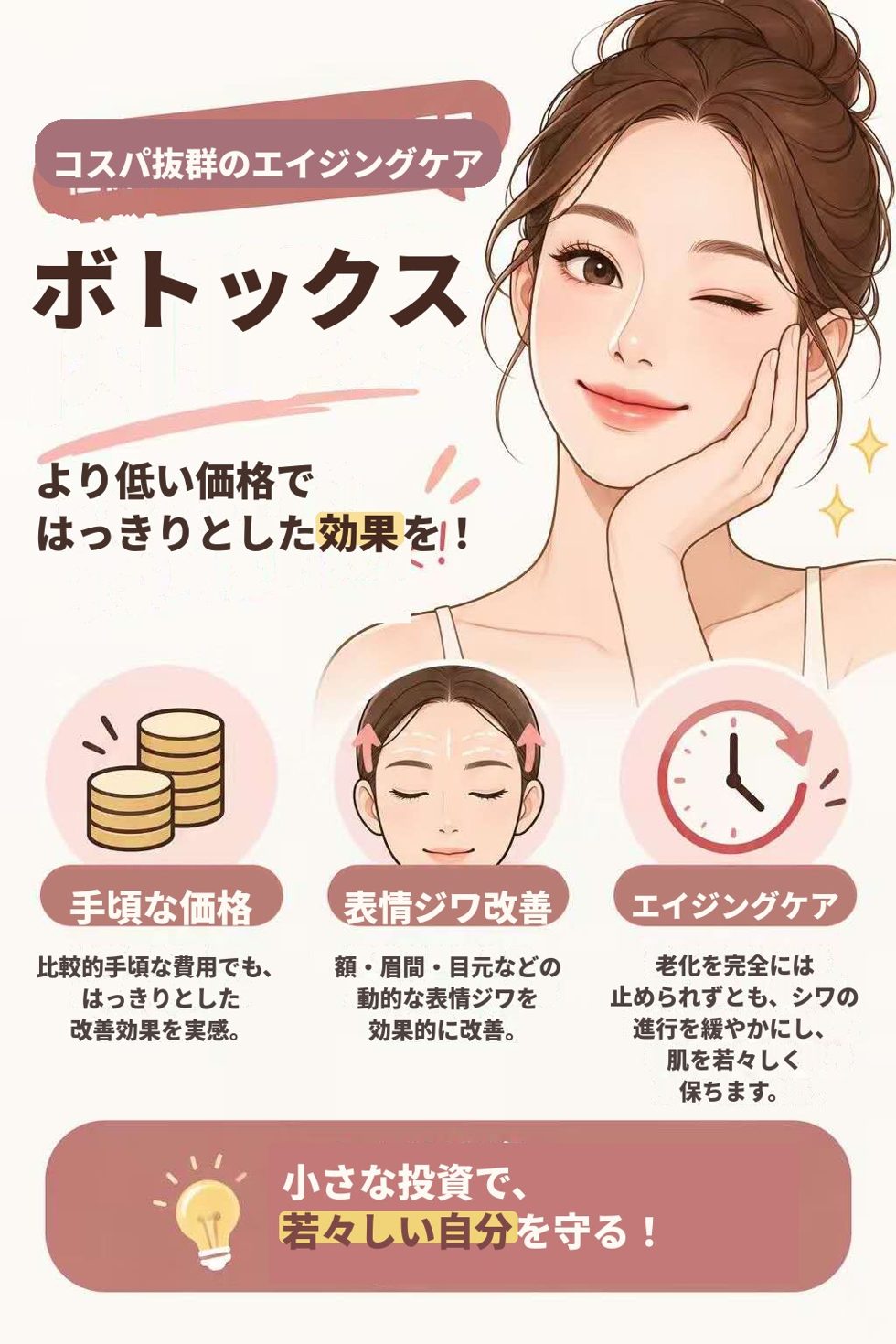
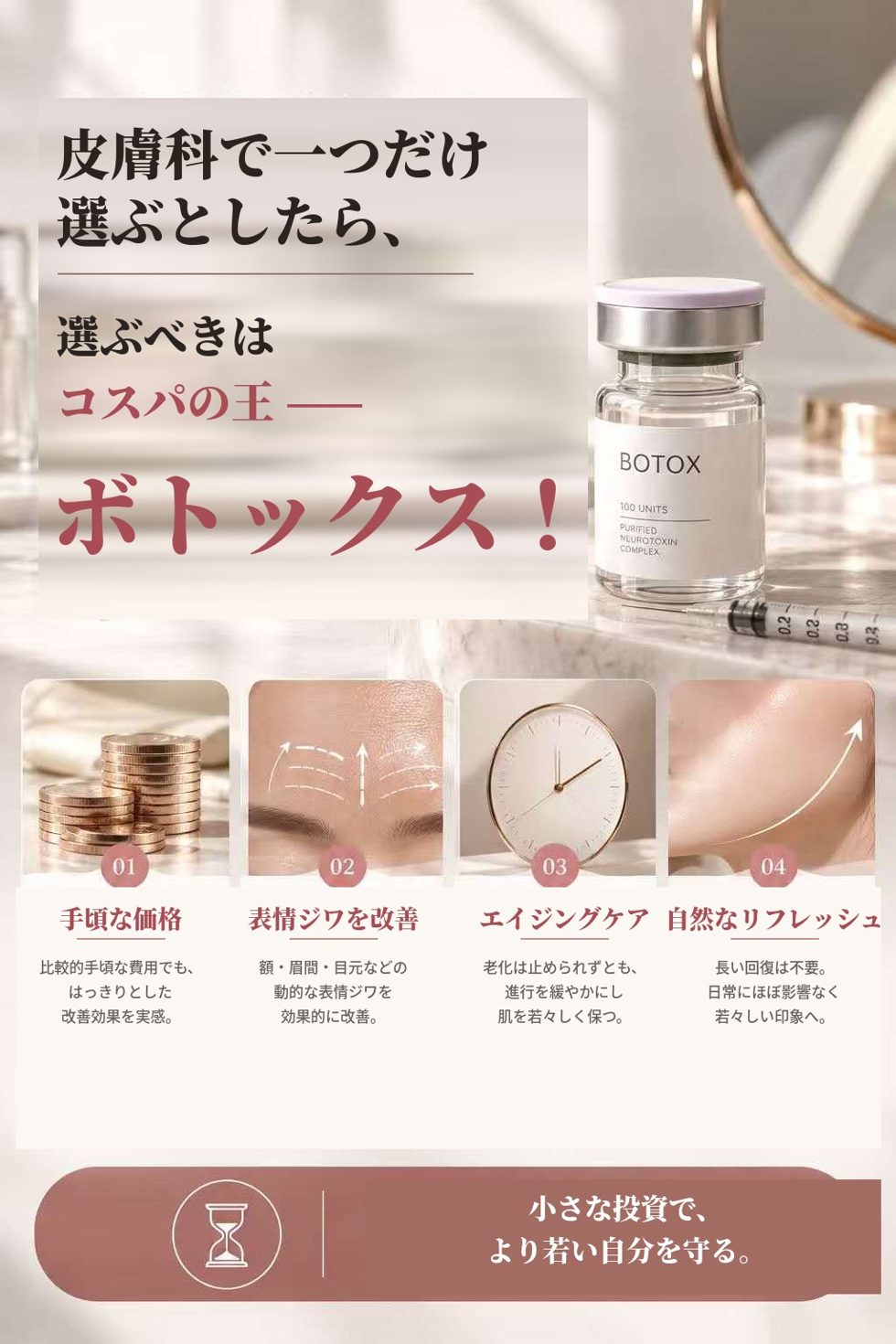
Botox, The King of Value
If you could choose just one treatment at a dermatology clinic? Improve expression lines and achieve natural anti-aging at a reasonable cost — we've summarized Botox at a glance.



Top 10 Korean Foods for Better Skin
In Korea right now, the 'slow-aging diet' is the new standard for skin and health. We've paired traditional healthy fare with today's trending dishes.
The probiotics in high-protein yogurt improve gut health to head off breakouts, while antioxidants from berries limit collagen damage.
Omega-3s in salmon calm inflammation and strengthen the skin barrier, while vitamin E from avocado helps keep skin firm.
Nattokinase aids circulation for a clearer complexion, and its fermented probiotics benefit both gut health and skin condition.
Vitamins C and K and sulforaphane support collagen production, while tofu's plant protein tops up the nutrients skin needs to renew.
Protein and fiber from lentils team up with the antioxidant lycopene in tomatoes to help shield skin from UV rays.
Mineral-rich seaweed supports skin firmness and hydration, making it an easy choice for meals during post-procedure recovery.
Korea's signature probiotic-rich fermented foods — a side at every meal cares for gut and skin at once.
Multigrain rice made with brown rice and beans instead of white rice is a slow-aging staple. Its fiber and B vitamins support skin metabolism.
Unsaturated fats and vitamin E slow skin aging, while the anthocyanins in blueberries help calm the skin.
Seasonal namul side dishes with circulation-boosting jujube tea — a balanced spread we also recommend for post-procedure recovery.
Learn more
2026 Olive Young Must-Haves — The 1,000,000,000,000 KRW Foreign-Shopper Era
In 2025, foreign visitors' spending at Olive Young broke past 1,000,000,000,000 KRW. The most-carted picks: Torriden Dive-In Serum (~15,000 KRW), VT Reedle Shot (25,000~35,000 KRW), Beauty of Joseon's clear rice sunscreen — a no-white-cast favorite in Western markets (~15,000 KRW), Laneige Lip Sleeping Mask, and BIODANCE collagen masks at around 4,000 KRW a sheet. The global-flagship store in Myeongdong is easiest for tourists, with multilingual service and fast tax-refund processing.
The ₩5,000 Daiso Miracle — Best-Value K-Beauty Gems
Most cost under 5,000 KRW, and the twist is that big brands release small-size, Daiso-only lines. Standouts: the Daiso edition of VT Reedle Shot (a sell-out sensation), Sungboon Editor's Green Tomato pore serum with 6,040,000 bottles sold to date, Son & Park's Art Spread Color Balm — gone viral as a 'luxury lip-balm dupe' — and Medi-Peel peel-off masks. It pairs perfectly with Olive Young for a half-day shopping run.
A First-Timer's Guide to Sesin (Korean Body Scrub)
Sesin — scrubbing away full-body dead skin with an Italy towel at a jjimjilbang — is one of the most talked-about K-beauty experiences for foreigners. Soak in the hot pool for at least 30 minutes to soften up before you start, and speak up right away if it hurts. Intensive moisturizing afterward is a must. One caveat: never scrub a treated area right after a procedure — wait a week after lasers or injections, and follow your clinic's guidance after surgery.
The Procedure-Travel Calendar — Cherry Blossoms, Autumn Leaves and Lasers
The best time to recover is the mild, low-UV stretch from October to February. Pairing an autumn-foliage trip with lasers or lifting is popular. Cherry-blossom season (March~April) suits gentle procedures like skin boosters and glow injections, but watch out for yellow dust and fine particulates. November~January is Korea's peak season, so bookings fill up fast, and the hot, humid months of June~August aren't recommended for surgical-level procedures.
Pumpkin Porridge After Your Procedure — The Science of Korean De-Puffing Foods
Korean clinics really do recommend certain foods during recovery. Pumpkin juice and pumpkin porridge are rich in vitamin A and potassium, helping flush out sodium to ease swelling, while seaweed soup is Korea's classic mineral-rich recovery dish (it's also what new mothers eat). After jaw or contouring procedures, soft porridges like abalone or sweet-pumpkin porridge are the standard meal. For protein, reach for tofu, steamed egg and white fish; for swelling, bananas. On the flip side, alcohol (at least 4 weeks), spicy and salty food, and too much caffeine slow recovery — save the tteokbokki as a reward for once you've healed. ※ This is general guidance; your clinic's instructions come first.
Is the '10-Step Routine' Actually a Myth? How Koreans Really Do Skincare
The '10-step Korean skincare routine' famous abroad is really closer to a frame built by overseas marketing. Koreans' real habits are about principles, not step counts: double-cleansing morning and night, daily sunscreen even indoors, patting toner in by hand instead of using cotton pads, sheet masks 2~3 times a week that cost just ₩2,000~4,000 each so there's no guilt in using them, and a culture of visiting the dermatologist as regularly as the hair salon. The core philosophy is 'prevent with moisture and sun protection,' not 'attack once a problem appears.'
Beyond Shopping, Into Experience — A Map of Seoul's K-Beauty Flagships
There are free experience stores that are a joy even if you buy nothing. In Seongsu, there's Amore Seongsu with its robotic skin diagnosis and cleansing rooms, and the gallery-like Tamburins flagship. In Myeongdong, the immersive SKIN1004 store, the 3CE Cinema, and Olive Young Myeongdong Town with its speedy multilingual service. In Gangnam and Bukchon, the Sulwhasoo Dosan flagship where you can book a spa, and Sulwhasoo's House Bukchon, which wraps your purchases in bojagi cloth inside a hanok. String them together half a day at a time — Seongsu (experience) → Myeongdong (shopping) → Gangnam (procedures) — for a wonderful beauty-travel course.
Why the World Comes to Gangnam — A Guide to the Beauty-Clinic Belt
87% of international patients flock to Seoul, with over half choosing Gangnam-gu. Each district offers a unique experience: Sinsa-Apgujeong is a 'Plastic Surgery Belt' centered around large hospitals, Cheongdam specializes in high-end anti-aging, the Gangnam Station area offers cost-effective laser and Botox, and Myeongdong combines shopping with dermatology clinics. During your recovery, low-intensity walking courses like Dosan Park, Garosu-gil, and Han River Park are all within easy walking distance. All KBEAU partner hospitals are conveniently located within these areas, ensuring minimal travel.
Straight Shoulders and the V-Line — The Procedures Behind the K-Pop Silhouette
The 'straight shoulders' that make a dress line sing are created with trapezius Botox — 30~60 minutes, with almost no downtime, peak effect at 2~4 weeks and lasting 4~6 months, making it popular with anyone ahead of a wedding or photoshoot. The V-line — that so-called 'idol jawline' — usually combines masseter Botox, ultrasound lifting and thread lifting, and there's also baby Botox, placed subtly to keep your expressions natural. We'll go over the exact procedures and prices in a free consultation.
How 'Glass Skin' Is Made
The dewy 'mulgwang' look — known abroad as glass skin — is usually created with a combination of Rejuran (PDRN) skin boosters + hyaluronic-acid glow injections + LED therapy. Each session runs 90~120 minutes with short downtime, so it fits well alongside a travel itinerary, and after a 3~4-session program, maintenance every 2~3 months is typical. Check detailed price ranges with a self-quote.
The Everyday Korean Diet for Skin Health
The fiber and B vitamins in multigrain rice, the moisture and minerals in doenjang and seaweed soups, the antioxidants in namul side dishes, right down to fermented kimchi — built from grains, soups, greens and ferments, the everyday Korean diet is a balanced way of eating that keeps skin healthy over time, no special regimen required.
Good Foods to Eat After a Procedure
Protein-rich white fish, tofu and eggs aid wound healing, while vitamin-C-rich kiwi, strawberries and bell peppers support collagen synthesis to speed scar recovery. For swelling, reach for potassium-rich bananas and mature pumpkin; for inflammation, salmon and nuts are good. Steer clear of spicy and salty food, alcohol and excess caffeine while you're recovering.
Korean Teas That Are Good for Skin
The catechins in green tea curb skin aging and inflammation, while the vitamin C in yuja tea helps with brightening and firmness. Jujube tea boosts circulation for a clearer complexion, and cassia-seed and barley teas aid waste elimination to ease swelling. During post-procedure recovery, we recommend a warm cup of low-caffeine jujube or cassia-seed tea.
A Recommended Olive Young Shopping List
Sheet masks are a popular gift, and gentle, soothing toners and creams are great for skin left sensitive after a procedure. Snail creams and CICA products are especially recommended for recovery, being effective at renewal and calming. Before you go, check the Olive Young app for foreigner discount coupons.
Cosmetics You Have to Buy in Korea
CICA cream that excels at calming skin, vitamin-C serum effective for brightening and blemishes, collagen ampoules for firmness, and lightweight, no-white-cast sunscreens. Lately, plenty of regenerating ampoules and masks that aid post-procedure recovery have launched too, and many shoppers pick them up alongside their clinic visit.
Hats and Masks to Wear After Surgery
A deep, wide-brimmed bucket hat hides the face without pressing on the treated area, making it great for recovery. For masks, choose a 3D style with soft ear loops that doesn't cling to your face. After nose or chin procedures, a roomy size is important to avoid irritating the wound.
Duty-Free Shopping Tips
With a passport in hand, foreign tourists get instant tax-free benefits at department stores and duty-free shops, and even regular-store purchases can be refunded at the airport via Tax Refund. Present your passport at payment, keep the tax-free paperwork, and use the refund counter before you go through departure.
K-Beauty Brand Recommendations
Brands with mild ingredients and a calming effect suit post-procedure recovery, while brands with functional ingredients are right for specific concerns like brightening or wrinkles. We recommend testing samples in-store or at Olive Young and choosing the brand that fits your skin type.
The moment your beauty begins,
KBEAU is with you
To ensure you don't feel anxious about medical treatment in an unfamiliar country, from start to recovery, we provide a preview of the entire process.
— why Korea?
K-beauty medicine the world trusts — top specialists, cutting-edge equipment and sensible prices.
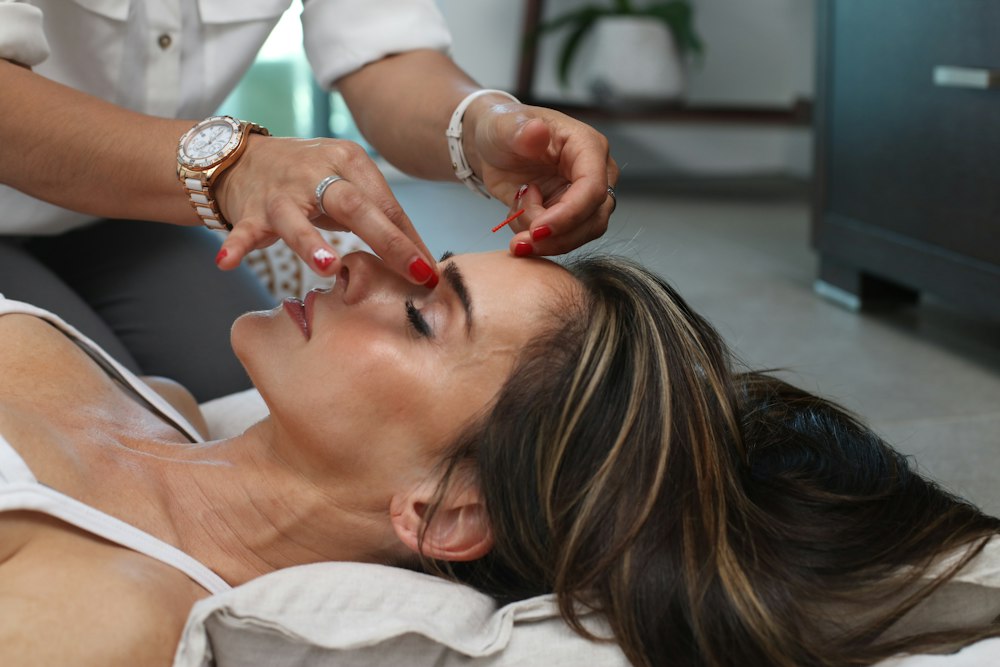
World-class expertise
Verified clinics with top specialists and the latest equipment.
No-nonsense pricing
What is quoted is what you pay — nothing added on site.
A journey, not just a visit
Between treatment and recovery, enjoy Seoul's food, shopping and culture.
Browse
Partner clinics in Hospitals, treatment info and prices in Treatments, and the best deals in Monthly Events.
Ask
Dedicated 1:1 multilingual consultation — free
Please inquire through any convenient channel, such as KakaoTalk, WeChat, WhatsApp, or LINE.
A dedicated manager will provide responsible 1:1 guidance for each and every customer, from selecting the most suitable procedure to customized quotes and reservations.
Pre-trip checklist
Treatment + Stay + Care, All in One
Just book your flight — KBEAU handles the rest. Seasonal packages bundling treatment, hotel, airport pickup, interpreter and sightseeing. (Prices are examples)
Included with every package · We provide the refund policy in writing before booking
Skin booster + Pico toning + 2 nights at a Gangnam hotel
Ulthera 300 shots + Rejuran + 3 nights at a Cheongdam hotel
Women's premium screening + Whitening laser + Shopping tour
4 veneers + Professional whitening + 2 nights at a Myeongdong hotel
Tell us the procedures, dates and accommodation tier you want. Your personal manager will design a day-by-day itinerary for you.
Clinics by Region
Area guides that factor in hotels, shopping and sightseeing. Partner clinics start in central Seoul and are expanding nationwide.
Seoul
Where our partner clinics operateHeart of the premium clinics · 5 partners
Partners active SeoulSinsa · Garosu-gilSkin & lifting specialists · Shopping route
Partners active SeoulApgujeong · CheongdamA cluster of high-end beauty clinics
Partners active SeoulMyeongdong · EuljiroA great location to combine with sightseeing
Areas coming soon
Partner agreements in progress — opening in phasesRecovery Walks & Route Tips
We recommend staying within walking distance of the clinic — it makes the first week, with its frequent dressing changes and check-ups, much easier.
Seasonal Beauty Guide
A treatment & travel guide for every season — four editions plus wedding and holiday specials.
An Ulthera vs. Thermage feature · Chuseok-holiday travel tips · Publishing this autumn
A full rundown of hydration procedures · Summer UV care · No-downtime travel routines
Popular procedures for brides-to-be · A lifting comparison guide
A short 3-day/2-night procedure course · A Myeongdong shopping map
A guide to toning and vitamin procedures · Cherry-blossom spots and recovery walks
30-Second Self Estimate
Three taps is all it takes. See an instant price range, then convert it into an official quote.
VAT refunds on cosmetic procedures ended in 2026. KBEAU quotes are final, tax-included prices — shopping (cosmetics etc.) is still refund-eligible.
Card, cash or mobile pay — confirmed together with your quote.
Refund terms confirmed before booking — no hidden conditions.
Choose the procedures you'd like
Choose your preferred area
Choose your expected visit time
Estimated price range (example)
₩150,000 ~ 300,000It may drop further with an event applied · Confirm the exact cost with a free formal quote
Get a formal quote for these detailsFAQ
Trust
Is KBEAU an officially registered company?
Yes. KBEAU is a registered international patient facilitator under the Korean Ministry of Health and Welfare's system, registration number A-2026-01-02-07140. In Korea, it is illegal to refer international patients to clinics for a fee without this registration.
Whichever company you use, take a second look if any of the following apply:
- They will not tell you their company name or registration number
- They give you quotes verbally instead of in writing
- They will not tell you the clinic's name until the day of treatment
- The only contact after you go home is a personal social media account
KBEAU gives you a written quote, the clinic's name and your manager's details at the consultation stage, and the same manager continues your follow-up care after you return home.
Who does the interpreting? How is it different from a hospital interpreter?
One dedicated KBEAU manager handles everything, from booking your consultation and interpreting on treatment day to follow-up care after you return home. Because your manager does not change partway through, you never have to explain your situation all over again.
This is a different role from a hospital interpreter:
- Hospital interpreter: An employee of that clinic who relays the doctor's explanations inside the clinic.
- KBEAU manager: Works on your side. Helps you organize your questions before the consultation, checks that the doctor's explanation and the price match what you were first told, and takes care of your accommodation, transport and return schedule.
There have been reports of people using freelance or part-time interpreters whose identity could not be verified, only to lose contact with them once a problem came up. Always check which company your interpreter belongs to.
Will the doctor I consult with actually perform my treatment? How can I check the doctor's qualifications?
As a rule, the doctor who consults with you also performs your treatment. We tell you the operating doctor's name beforehand, and on the day, your manager checks with you that it is the same doctor you consulted with. If the clinic needs to change the doctor for any reason, we tell you before the treatment — and if you do not agree, you can choose not to proceed or to change the date.
KBEAU checks each doctor's medical license and specialist certification before signing a partnership. If you want to check for yourself, look at the specialist certificate displayed in the consultation room or elsewhere in the clinic for the doctor's name and specialty. For example, nose and eye surgery should be done by a board-certified plastic surgeon, and laser and skin treatments by a board-certified dermatologist.
Can I check that the products and devices used are genuine?
Yes — if you ask, you can always check. KBEAU partner clinics will show you how they verify authenticity whenever you request it.
What you can check:
- Injectables (Botox, filler, skin boosters, etc.): A new product is opened in front of you, and you are shown the product name, dosage and expiry date. You are welcome to take photos of the empty vial or the label.
- Laser and lifting devices: You can check the device name and confirm that it is genuine before your treatment.
If you would like this, mention it during your consultation. Your manager will build it into your treatment-day schedule, so you will not have to feel awkward asking on the spot. Having the product names and amounts recorded in your medical records also helps if you see a doctor back home.
Can I trust online reviews and social media recommendations?
Use them as a reference, but do not take them at face value. Sponsored reviews and posts from influencer programs often appear just like ordinary reviews.
Tips for reading reviews:
- Reviews that mention the downsides too (pain, waiting, how long swelling lasted) are closer to reality than reviews that only praise.
- Reviews with photos taken 1–3 months later are more reliable than photos taken right after treatment.
- Look for reviews from people with a similar skin type, face shape and age to yours.
- If the same wording or identically framed photos appear across several accounts, it is likely an advertisement.
KBEAU chooses clinics based on doctors' qualifications, experience with international patients and aftercare systems rather than reviews.
How are clinics selected?
We personally verify credentials, licensing, international patient experience and aftercare systems before signing any clinic.
What about safety issues like ghost surgery?
KBEAU's partners are government-registered medical institutions where board-certified specialists perform procedures themselves, an anesthesiologist is present for any surgery requiring anesthesia, and operating rooms are equipped with CCTV. In addition, medical institutions registered to treat international patients are legally required to carry medical malpractice liability insurance.
We tell you the name of the operating doctor before your procedure, and on the day, your manager checks with you that it is the same doctor you consulted with.
Good to know about operating-room CCTV:
- Since September 2023, CCTV is mandatory in operating rooms for surgery performed while the patient is unconscious, such as under general anesthesia.
- Recording takes place when the patient requests it, so if you want it, ask for recording before your surgery. Your manager will help you make the request.
Is it safe to have cosmetic surgery or skin treatments in Korea?
Korea has many board-certified plastic surgeons and dermatologists, medical institutions that treat international patients must register with the government, and malpractice liability insurance is mandatory. In terms of regulation, the safeguards are well established.
That said, surgery and treatments carry risks in any country, and safety ultimately comes down to which clinic and doctor you choose. Checking the following greatly reduces the risk:
- Whether the clinic is registered to treat international patients
- Whether the operating doctor is a specialist in that field, and whether the doctor who consults you performs the treatment
- Whether an anesthesiologist is present for surgery requiring anesthesia
- Who checks your recovery after you return home, and how
KBEAU only connects you with clinics where we have checked these points before signing a partnership.
I've heard Korean plastic surgery makes everyone look the same. Can I get a natural result?
The "same face" impression comes from well-publicized results that copied trendy designs exactly. These days many patients want natural changes that suit their own face shape, and many doctors consult in that direction.
To get closer to the result you want:
- During the consultation, clearly state how much change you want, such as "natural" or "not obvious."
- Showing photos of looks you want and looks you don't want makes it more accurate.
- Rather than changing a lot at once, starting with the areas you most need is another option.
Your manager passes this on to the doctor accurately and double-checks the design explanation with you in your language.
Is it okay to have surgery under general anesthesia at a small plastic surgery clinic?
Most Korean plastic surgery practices are "clinics" (uiwon) with few inpatient beds, and they also perform surgery under IV sedation or general anesthesia. What matters more than size is the anesthesia and emergency response system.
Good things to check:
- Whether an anesthesiologist is present throughout the surgery
- Whether equipment for monitoring vital signs and emergency equipment is in place
- Whether there is a designated larger hospital for transfer in an emergency
At KBEAU partner clinics, an anesthesiologist is present for surgery requiring anesthesia. Any questions before surgery can be put directly to the clinic through your manager.
How can I see the operating room CCTV footage?
For surgery performed while you are unconscious, such as under general anesthesia, the clinic must record the operation if you request it. If you want it recorded, make the request before surgery.
Good to know:
- The clinic keeps the footage for a set period (a legal minimum of 30 days).
- Viewing or receiving a copy is possible in cases set by law (investigations or court proceedings, medical dispute mediation, consent of everyone recorded, etc.) — it is not something you can simply get on your phone whenever you like.
- Fees and procedures for viewing may differ by clinic.
Your manager guides you in your language from the recording request through to the viewing procedure afterwards.
Can I see before-and-after photos?
Because of Korea's medical advertising rules, clinics cannot freely post before-and-after photos on their websites or social media. That is why they are hard to find online.
Instead, during the consultation, clinics often show case photos of that doctor's work in person. When you look at them, check:
- Whether the cases have a face shape and skin condition similar to yours
- Whether the photos were taken a few months later rather than right after surgery
- Whether they were taken with the same lighting and angle
If you like, we will ask for case photos ahead of your consultation.
Can I trust a "coordinator" who approaches me outside a clinic or contacts me on social media?
Be careful. In Korea it is illegal for an unregistered person to refer international patients to a clinic for a fee, and if something goes wrong, there is no one who takes responsibility.
Be especially careful if:
- They will not give a company name or registration number
- They pressure you to decide quickly, such as "this price is today only"
- They ask you to transfer money to a bank account first
- They never tell you the name of the clinic
KBEAU discloses its registration number (A-2026-01-02-07140) and tells you the quote, the clinic's name and your manager in advance.
Choosing
It's my first time — should I choose a clinic first or a treatment first?
The easiest place to start is your concern. You do not need to know the names of treatments.
At KBEAU, we decide in this order:
- Tell us your concern: For example, "my pigmentation has gotten darker," "my jawline is sagging," or "my eyes look tired."
- Send photos: Send front and side photos of your face, and we will get a doctor's opinion at the consultation stage.
- Narrow down the options: We compare 2–3 treatments that suit your concern, along with recovery time and recommended length of stay.
- Choose a clinic: From partner clinics that specialize in the chosen treatment, we recommend one that fits your schedule and language needs.
Many first-timers start with skin treatments that have little downtime and more predictable results, such as laser toning (including pico toning) or skin boosters.
What is the difference between a large clinic and a small clinic?
Neither is simply better — the right fit depends on the type of treatment and the kind of consultation you want.
- Large clinics: More doctors and devices, often a dedicated consultation desk for international patients, and relatively flexible booking. On the other hand, they see many patients a day, so consultations can feel short.
- Small clinics: The head doctor often handles everything from consultation to treatment, so explanations tend to be more detailed. On the other hand, appointments fill up quickly and foreign-language support may be limited.
In general, a large clinic suits you if you want several skin treatments on a short trip, while a small clinic suits you if you want a thorough consultation for one treatment. KBEAU partners with both types and chooses based on your schedule and treatment.
Can I have several treatments in one day?
Depending on the combination, yes. People on short trips often have two or three skin treatments on the same day.
General guidelines:
- Combinations often done on the same day: Treatments that work on different areas or in different ways, such as laser toning + skin booster, or Botox + filler
- Better to split across different days: Treatments that put strong stress on the same area, or treatments that each cause long-lasting swelling
- When planning both surgery and skin treatments: Usually the skin treatments come first and the surgery later, or the skin treatments are done on a later visit once the surgical area has healed
The final decision is made by the doctor after an examination, and KBEAU arranges a comfortable order that fits within your stay.
Will one or two sessions be enough to see results?
It depends on the treatment. Tell us first how many sessions you can fit into your trip, and we will give you a realistic idea of the changes you can expect.
- Treatments where you tend to notice a change after one session: Botox, filler, thread lift, radiofrequency and ultrasound lifting
- Treatments where results build up over several sessions: Laser for melasma and pigmentation, acne scar and pore treatments, some skin boosters
- Treatments that take time to show results: Botox usually takes a few days to 2 weeks, and skin boosters show changes over several weeks.
If a treatment needs several sessions, we also help plan the interval before your next trip to Korea (usually a few weeks to a few months) and explain the care you can do at home after you return.
Do the doctors have experience treating non-Asian faces?
Experience varies by clinic. That is why, at the consultation stage, KBEAU prioritizes connecting you with doctors who have treated international patients with a face shape and skin type similar to yours.
To get closer to the result you want, do this during your consultation:
- Send photos of your face from the front, the side and a 45-degree angle.
- Let us know whether you want "a result that blends naturally with your own face," and share any reference photos of the look you want.
- For skin treatments, tell us your skin tone (lighter or darker). This is important for choosing the type and strength of the laser.
We get the doctor's opinion first, so you know what is and is not possible before you travel.
Is Korea relatively affordable because the quality is lower?
No. In Korea, many plastic surgery and dermatology clinics are concentrated in one area, competition is intense, and many clinics perform the same procedures in high volume, so the cost structure is different. Devices and products are also widely used domestically, so supply costs tend to be relatively low.
However, an extremely low price may have a reason behind it. Before choosing on price alone, check:
- Whether the doctor who consults you performs the treatment
- Whether genuine products are used and the amount is written in the quote
- Whether items such as anesthesia, medication and follow-up visits have been left out
It is also worth weighing the total cost including flights and accommodation, and the number of days you need to stay.
Can foreigners have treatment in Korea? What about minors?
Yes. Foreigners can have cosmetic surgery and skin treatments in Korea, and many registered clinics treat international patients. With your passport and basic health information, you can consult and book.
Minors must have a parent or guardian's consent, and most clinics require a guardian to accompany them. Surgery on areas that must finish growing first, such as facial bones or the nose, is generally done after growth is complete, so the doctor may suggest waiting.
Are "factory clinics" okay?
"Factory clinic" is a nickname for large clinics that see many patients quickly. Because they perform the same procedures in high volume, things move fast and prices tend to be lower, but consultations can be short with less time to talk to the doctor.
They can be a good choice for:
- Simple treatments with a well-defined method, such as laser toning or Botox
- Cases where you already know exactly which treatment and amount you want
On the other hand, treatments where the doctor's judgment and design matter — such as filler design, lifting or surgery — are better suited to a clinic where you can consult thoroughly. Either way, we recommend checking authenticity and the amount used in the same way.
Can I have consultations at several clinics?
Yes, we recommend it. Especially for surgery, comparing the opinions of two or three clinics makes it easier to choose the right method and doctor for you.
What to compare:
- The method the doctor proposes and why
- Recovery time and the number of days you need to stay
- What is included in the quote
- Whether your questions are answered fully
KBEAU groups consultations at several clinics into a day or two within your schedule and summarizes them in a comparison table.
Can I have cosmetic treatments at a university hospital?
Some university hospitals have plastic surgery and dermatology departments, but they focus on treating illness and reconstructive surgery, so cosmetic treatments are often hard to book or offer fewer options. Waiting times are long, which also makes them hard to fit into a short trip.
Most cosmetic treatments are done at specialist clinics. If you have a chronic condition or need major surgery requiring comprehensive tests, we will help you find a suitable institution through the consultation.
Preparation & Costs
Are consultations and quotes really free?
Yes. Until you decide on a treatment, KBEAU's consultation, quote and itinerary planning are completely free, and there is no charge even if you only consult and decide not to go ahead.
You pay for the treatment directly to the clinic, and before you pay, KBEAU checks that the amount actually billed matches your quote. Note that some clinics charge a separate consultation fee for the in-person examination. If so, we tell you before you book, so you will never be hit with a fee you are hearing about for the first time at the clinic.
What you can get from a free consultation:
- A shortlist of treatment options for your areas of concern, based on your photos
- Recovery time and recommended length of stay for each treatment
- Clinic comparison and booking, plus a schedule built around your flight home
How do I pay?
You pay the procedure fee directly at the clinic. Major credit cards, Alipay and WeChat Pay (varies by clinic) and cash are accepted, and we'll confirm the payment methods with you in advance at the quote stage.
Is there anything I need to do before the procedure?
We recommend no alcohol or smoking for 2 weeks beforehand, and stopping any medications or supplements that affect circulation. Please tell us about your medications and allergies in advance during the consultation. For details, see the before-and-after precautions page.
Do treatments qualify for a tax refund?
VAT refunds on cosmetic procedures ended in January 2026. Shopping (cosmetics etc.) is still refund-eligible (instant in-store refund up to ₩1,000,000 per purchase) — bring your passport. When comparing quotes, always check whether prices include VAT.
Will travel insurance cover my procedure?
Standard travel insurance generally excludes planned cosmetic procedures and their complications. We can point you to dedicated medical-travel insurance and help issue English medical records and receipts.
What does the quote include? Can the price change at the clinic?
Your KBEAU quote lists the following, item by item:
- Treatment name and scope or number of sessions (e.g. areas, amount of product)
- Anesthesia method
- Whether basic prescription medication and follow-up visits are included
- Items not included (additional treatments, separate products, etc.)
However, because online consultations are based on photos, the doctor may suggest changing the scope of treatment after examining you in person — for example, if a skin condition is found that did not show in the photos, or if more product is judged necessary to achieve the result you want.
In that case, the reason for the change and the difference in price are explained to you before the treatment, and it goes ahead only if you agree. Your manager checks before payment so that no items missing from your quote suddenly appear on the bill.
What should I do if I'm pressured into a treatment I don't want?
It is fine to say no, and saying no will not count against you. The scope agreed at your first consultation is the baseline, and you decide whether to add anything.
If a treatment is recommended to you, try this:
- Do not decide on the spot.
- Ask your manager: "Is this treatment really necessary?", "What happens if I don't have it?" and "Will it affect my recovery time or my flight home?"
- Your manager will double-check with the doctor and summarize the answers for you in your language.
- You can always skip it this time and think again on your next visit.
Can I cancel my booking, or just have a consultation without treatment?
Yes. You can decide not to have treatment after your consultation, and there are no consequences for doing so.
If your plans change and you need to move or cancel a booking, let your manager know as soon as possible. Popular clinics fill up quickly, so the earlier you tell us, the easier it is to find another date. Clinics that take a deposit have different refund rules depending on when you cancel, so we explain that clinic's cancellation policy before you confirm your booking.
Does it hurt? What kind of anesthesia is used?
Pain varies by treatment and by person, but in most cases anesthesia reduces it considerably.
- Laser and toning: Done after applying numbing cream. It feels like a sting or a rubber band snap, and most people say it is bearable.
- Botox, filler and skin boosters: Numbing cream is used, and many fillers contain an anesthetic. Skin boosters involve many injections, so they are on the more painful side among skin treatments.
- Thread lift: Numbing cream plus local anesthesia.
- Double eyelid, nose and facial contouring surgery: Done under IV sedation or general anesthesia, with an anesthesiologist present.
If you are sensitive to pain, mention it during your consultation, and we will coordinate the anesthesia method with the doctor in advance.
Will my health insurance at home (Medicare, etc.) cover it?
Cosmetic treatments are not covered by most national health insurance schemes or private health insurance. Treatment for complications from cosmetic procedures done abroad is also often excluded, so check directly with your insurer before you leave.
Questions to ask your insurer:
- Are cosmetic procedures done abroad covered?
- Is treatment back home for complications after the procedure covered?
- What documents are needed to make a claim (English medical records, receipts, etc.)?
If needed, we can point you to insurance designed for medical travel and help you get English medical records and receipts issued.
Can I enter Korea visa-free and have treatment?
If you are a citizen of a visa-exempt country, short skin treatments or minimally invasive (petit) treatments can easily fit within your visa-free stay. Many countries are visa-exempt, including the United States, Australia, Singapore, Malaysia and Hong Kong.
Depending on your nationality, however, you may need a K-ETA (Korea Electronic Travel Authorization) before departure, so check the official K-ETA website before you travel. If you need surgery with a longer recovery or an extended stay, a medical tourism visa may be the better fit — we will advise you on the right option for your schedule during your consultation.
How far in advance should I book?
It depends on the type of treatment.
- Skin treatments, Botox, filler: Usually 1–2 weeks ahead is enough, but popular clinics fill up sooner.
- Surgery: Consultations and scheduling are needed, so we recommend preparing 1–2 months ahead.
- Peak season: Book earlier for the year-end period, national holidays in each country and school vacations.
Having a consultation and confirming the clinic's schedule before buying your flight means less chance of changing dates.
Can I book without a Korean phone number?
Yes. Korean clinic booking apps and websites often require identity verification with a Korean phone number, which makes it hard for foreigners to book directly. Through KBEAU, you can consult and book by messenger without a Korean number.
Once you arrive in Korea, you can keep in touch by messaging app — bringing a data SIM or eSIM makes things easier.
How do I pay a deposit? Can I get it back if my visa is refused?
Some clinics take a deposit and some do not. If a deposit is needed, we tell you the amount, payment method and refund rules before you confirm the booking.
If you cannot come for reasons beyond your control, such as a visa or flight problem, let us know as soon as possible. We negotiate a refund or a change of dates according to the clinic's rules. If your nationality requires a visa, we recommend paying the deposit after your visa result is confirmed.
Can I use a foreign credit card? Is there a discount for paying cash?
Most clinics accept major international cards such as Visa and Mastercard. However, some cards may be declined because of overseas payment limits or security settings, so let your card company know about overseas payments before you leave and bring a backup card.
Some places offer a cash discount, but getting a proper receipt and medical records matters more. Without a receipt, it is hard to prove you had the treatment if a problem arises. However you pay, always get a receipt.
Do I have to use a flight and accommodation package?
No. Choose only what you need. You can use just the consultation and clinic booking, and book flights and accommodation yourself.
A package is convenient when:
- You are having surgery that needs recovery time and want accommodation close to the clinic
- It is your first time in Korea and you want transport and scheduling handled in one go
If you have already chosen your accommodation, let us know where it is. We plan your schedule with travel time to the clinic in mind.
Should I stop drinking, smoking or my medications before surgery?
Yes, it is best to prepare in advance. The exact period is set by the doctor, but general guidelines are:
- Smoking: It slows wound healing, so we recommend stopping for at least about 2 weeks before and after surgery.
- Alcohol: Avoid it from a few days before surgery through the recovery period.
- Blood-thinning medications and supplements: Medicines such as aspirin and supplements such as omega-3 or vitamin E can increase bruising and bleeding, so stopping them is often recommended.
Do not stop any medication on your own — tell us the names of your medications during the consultation. The doctor will decide which to pause and which to continue.
Do I need to translate my medical records or medication information into Korean?
No translation is needed. Send us documents in English or your own language, and your manager will summarize them for the doctor.
Good to prepare in advance:
- Chronic conditions and past surgeries
- Names and doses of medications you take (a photo of the box is fine)
- Allergies (to medicines, anesthetics, foods, etc.)
- Any previous treatments on the same area (filler, thread lift, etc.), with the type and timing
Can I have treatment on the day I fly home?
Simple skin treatments with almost no swelling or wounds, such as laser toning, are sometimes done on the morning of departure. However, we don't recommend it, because there is no time to check for any reaction.
- Skin treatments, Botox: If possible, have them by the day before departure.
- Filler, thread lift: We recommend at least 2 days before departure.
- Surgery: Plan your stay to cover suture removal and a progress check.
Tell us your departure time and we will plan a comfortable order around it.
Can I add sightseeing during my recovery?
Yes, but plan the order carefully depending on the treatment.
- Skin treatments: Most normal sightseeing is fine from the next day. Be sure to use sun protection.
- Filler, lifting: Light plans are fine, but postpone photo-heavy plans until the swelling goes down.
- Surgery: Rest comes first for the first few days. Do your sightseeing before surgery, or after the stitches are out.
It is best to avoid jjimjilbang (Korean bathhouses), saunas, swimming and alcohol while recovering.
During Your Stay in Korea
What if I don't speak any Korean?
Dedicated managers in Korean, Chinese (Simplified/Traditional), Japanese and English accompany you from consultation to treatment-day interpretation and post-return follow-ups.
Do you help with visas and entry?
We guide you through short-stay visas/K-ETA and issue clinic booking confirmations. Flights and hotels can be bundled as a package.
Is it okay to come alone?
Yes. From airport pickup to accompaniment on procedure day to recovery check-ins, a personal manager is with you throughout — which is why solo women travelers are our most common guests.
How long a stay should I plan for?
It depends on the procedure. Skin boosters, toning and petit procedures need same day to 1 night; lifting, 1~2 nights; and double-eyelid or nose surgery, 5~7 days through suture removal. We'll include a recommended schedule for each procedure at the quote stage.
When is the best time to visit?
October–February — cool weather and weak UV — is best for recovery. Note that Nov–Jan is Korea's peak season, so book 2–3 months ahead; hot, humid June–August is not ideal for surgical procedures.
Can I come with family or friends?
Of course. We'll plan your companions' itinerary (sightseeing, shopping) too, and we'll advise on clinic waiting areas and hotels for companions.
Can I wear makeup, go out or go sightseeing on the day of treatment?
It depends on the treatment. General guidelines are below, and we give you treatment-specific aftercare instructions on the day.
- Laser toning, skin boosters and Botox: Going out the same day is usually fine. Makeup is generally recommended from the next day. Skin boosters may leave small injection marks for a day or two.
- Laser removal of pigmentation and moles: If scabs form, you wear healing patches for about a week. During this time, avoid the sun and be thorough with sun protection.
- Filler and thread lift: You can go out the same day, but there may be swelling and bruising for a few days, so avoid scheduling photo shoots.
- Double eyelid, nose and other surgery: Swelling and bruising are significant for several days after surgery, and care is needed until the stitches are removed. Avoid planning sightseeing during this period.
For all treatments, avoid alcohol, saunas, Korean bathhouses (jjimjilbang) and strenuous exercise for a few days afterwards.
When can I fly after treatment?
General guidelines are below. The exact date is decided by the doctor based on your recovery.
- Skin treatments and minimally invasive (petit) treatments: Most people can fly the next day.
- Thread lift: Usually from 1–2 days later.
- Double eyelid and nose surgery: As a rule, after the stitches are removed and the doctor has checked you — usually 5–7 days later.
- Major surgery such as facial contouring or liposuction: A longer stay is needed.
On long-haul flights, allow an extra day or two because of swelling and circulation. On the plane, drink water often, move your legs regularly and be careful not to put pressure on the treated area. Booking your return flight after your quote and schedule are finalized means less chance of having to change the date.
Should I tip the doctors or staff?
No. There is no tipping culture at clinics or for medical staff in Korea. You do not need to pay anything beyond the amount on your quote, and staff are often more uncomfortable than pleased if you offer a tip. Tipping is also not customary in taxis or restaurants.
Is a hotel or an Airbnb better while I recover?
For skin treatments, either is fine. For recovery after surgery, choose based on:
- Distance to the clinic: You will have frequent follow-ups, so a short trip to the clinic is best.
- Access to help: A hotel with a 24-hour front desk is reassuring if you suddenly need help.
- If you are recovering alone: For the first 1–2 days after surgery, we recommend being with a companion or somewhere you can ask for help rather than being alone.
An Airbnb with a kitchen is convenient for long stays, but it may be hard to get help quickly if something goes wrong.
What is a recovery hotel?
It is accommodation for patients recovering after surgery that also provides services such as transport to the clinic, recovery meals and cold compress care. It is popular with people who have to recover alone after major surgery.
Before using one, check:
- What services are actually provided (transport, meals, whether there are nursing staff)
- Whether they support foreign languages
- The refund rules for the remaining nights if you recover early and leave sooner
If you need one, we can help you find accommodation that suits your treatment and schedule.
How do I get from the airport to my accommodation or the clinic?
From Incheon Airport to Gangnam in Seoul, you can take the airport bus, the airport railroad plus subway, or a taxi, usually taking about 1 to 1.5 hours (depending on traffic).
If you have a lot of luggage or are heading home after surgery, a taxi or pre-booked car is more comfortable. Tell us your arrival time and accommodation, and we will suggest the easiest way to get there and help book a car if needed.
Is it okay to go back to my accommodation looking like this right after treatment?
Don't worry. In clinic-dense areas like Gangnam, it is common to see people wearing masks, hats and sunglasses after treatment, so you won't stand out much.
- Skin treatments: Usually just slight redness, so a mask is often enough.
- Filler, Botox: Mostly just injection marks, so most people move around as normal.
- Surgery: There may be swelling, tape or bandages, so bring a mask, hat and sunglasses, and we recommend taking a taxi.
What should I eat and avoid to reduce swelling?
General recommendations:
- Helpful: Drink plenty of water and eat lightly salted food. Soft protein foods (rice porridge, tofu, eggs, fish) support recovery.
- Avoid: Salty and spicy food, alcohol and smoking. Many Korean dishes are salty and spicy, so choose your menu carefully.
- Habits: Sleep with your head slightly raised, and in the early days apply cold compresses as the doctor instructs.
Talk to the doctor before taking any anti-swelling medicines or health supplements.
Who should I contact in an emergency in Korea?
Contact your dedicated manager first. Your manager will connect you with the clinic and, if needed, go with you to the clinic or emergency room.
Other useful numbers:
- 119: Ambulance and emergencies (interpreting can be connected)
- 1330: Korea Tourism Organization's travel hotline (help in foreign languages)
- 112: Police
If your life may be at risk — for example, you have trouble breathing or are losing consciousness — call 119 first without hesitation.
When can I wash my hair and shower after surgery?
It differs by treatment, so follow the doctor's instructions. General guidelines:
- Skin treatments, Botox, filler: Mostly from the same day or the next day. Just don't rub the treated area hard.
- Eye or nose surgery: There is a period when your face must stay dry. Washing your hair at a salon or leaning your head back makes it easier.
- Hair transplant: For the first few days, wash only in the way the clinic shows you.
Can I use medical devices I bring? What is the voltage in Korea?
Korea uses 220V, 60Hz, with two round-pin sockets (Type C/F). Devices that only work on 110V need a voltage converter; dual-voltage devices just need a plug adapter.
If you are bringing a CPAP machine, a cold compress device or similar, check the voltage label on the back of the device in advance.
After You Return Home
What if something goes wrong afterwards?
While you are in Korea, simply message your dedicated manager. Your manager will contact the clinic and arrange a follow-up visit, and if your symptoms are urgent, will go with you to the clinic or the emergency room.
After you return home, send us photos: the clinic's medical team reviews your progress, and your manager passes their feedback on to you in your language. If you need to come back to Korea for treatment, we prioritize scheduling your return visit.
On the day of your treatment, we give you a written list of "normal symptoms to expect" and "symptoms that need immediate contact." As a general rule, do not wait — contact us right away if:
- Swelling or pain keeps getting worse over time
- The treated area becomes hot and the redness spreads, or there is pus
- You develop a fever, have trouble breathing, or your vision becomes blurry
Can I get my medical records and receipts?
Yes, you can — and we strongly recommend that you do. If you need to see a doctor back home, they need to know exactly what treatment you had in Korea to treat you properly.
Good to keep:
- Medical records (treatment name, treated area, treatment date)
- Product names and amounts of the injectables or implants used
- Prescriptions and a list of medications you are taking
- Receipts (for insurance claims or in case of loss)
KBEAU requests these documents from the clinic in advance on your treatment day, and can help you get them issued in English if needed.
What if I'm not happy with the results?
First, send your manager some photos and tell them about it. Right after treatment, swelling often makes it too early to judge the result. In general, Botox takes 2 weeks to settle, filler and lifting 2–4 weeks, double eyelid surgery 1–3 months, and nose surgery several months.
Your manager will first check with the clinic's medical team whether your recovery is on track. If correction or a repeat treatment is judged necessary, we negotiate the terms of the follow-up visit and re-treatment with the clinic and prioritize scheduling your next visit. Anything you find hard to raise with the clinic directly, your manager will put together and pass on for you.
Will my doctor at home provide follow-up care?
Without records, doctors at home often find it hard to treat you after a procedure done abroad. On the other hand, if you bring your records with you, most will be able to continue your care.
What to bring:
- English medical records and surgical records
- Product names and amounts of the injectables or implants used
- Prescriptions and a list of medications you took
- Before and after photos
KBEAU collects these documents for you in advance on your treatment day. If your doctor at home needs to check anything with the Korean clinic, your manager will put them in touch.
Who pays if I need revision surgery?
It depends. Each clinic has different rules for revisions, so checking in advance before surgery is the most important thing.
Check during your consultation:
- In what cases the clinic will perform a revision or correction
- Whether the clinic covers the cost then, or whether you pay part of it
- By when you need to come back for a revision
KBEAU confirms this with the clinic before surgery and negotiates the terms with the clinic if a problem arises.
Where do I have my stitches removed after I go home?
It is best to stay in Korea until your stitches are due to be removed. For double eyelid and nose surgery, stitches are usually removed after 5–7 days.
If you have to go home earlier:
- First ask the doctor whether dissolvable stitches can be used.
- If the stitches will be removed at a local clinic, take a document stating your surgical record and when the stitches should come out.
We decide which option suits you during the consultation before surgery.
Can I see a Korean doctor remotely after I return home?
Formal consultations or prescriptions by a Korean doctor while you are abroad are limited. Instead, KBEAU checks your progress by photos and messenger.
- Send photos and describe your symptoms; the clinic's medical team reviews them, and your manager passes on the reply in your language.
- If an in-person examination is judged necessary, we guide you to a local clinic or arrange a return visit to Korea.
If a video consultation is needed, choose a bright spot with a stable internet connection — the area needs to be clearly visible for an accurate assessment.
Can I get a refill of medication prescribed in Korea after I go home?
It is difficult for a Korean clinic to send medication abroad, so it is best to get enough before you go home.
- Before departure, work out how long you still need to take it and get enough prescribed.
- Getting a prescription with the drug names and ingredients makes it easier to get the same ingredient prescribed at a local clinic.
- Some medications may be restricted from entering certain countries, so bring them in their original packaging together with the prescription.
How long do the results last?
It differs by treatment, and also varies a lot by person and aftercare. General ranges:
- Botox: Usually 3–6 months
- Filler: Several months to over a year, depending on the product and area
- Thread lift: Usually several months to about a year
- Radiofrequency and ultrasound lifting: Usually several months to about a year
- Surgery (incisional double eyelid, nose, etc.): Lasts a long time, but natural changes occur with age.
The doctor will tell you what to expect for your case during the consultation.
Is it common to feel low after a procedure?
Yes, it is not unusual. Some people feel temporarily down when swelling and bruising are at their worst and the result isn't visible yet — especially when recovering alone abroad.
In most cases it improves as the swelling goes down. Still, if anxiety or low mood lasts, feel free to tell your manager. We will check with the medical team that your recovery is normal and, if needed, point you to where you can get support.
Will other people be able to tell I had something done?
It depends on the treatment and timing.
- Skin treatments, skin boosters: Most people just notice "your skin looks better" and won't know you had a treatment.
- Botox, filler: In moderate amounts the result looks natural, but right afterwards there may be injection marks or slight swelling.
- Surgery: It may be noticeable until the swelling goes down. Double eyelids take a few weeks and noses a few months to look natural.
If you have an important event coming up, schedule your treatment with enough recovery time before it.
Eye Surgery
What is the difference between non-incisional and incisional double eyelid surgery?
- Non-incisional (suture) method: The crease is made with sutures without cutting the skin. Recovery is quick and swelling is minimal, but the crease may loosen if the eyelid is thick or droopy.
- Incisional method: The skin is incised, fat or excess skin is removed if needed, and the crease is created. It lasts a long time, but recovery takes longer.
- Partial incision method: A small incision is used — somewhere between the two.
The doctor decides which method suits you based on eyelid thickness, droopiness and the crease you want.
Is double eyelid surgery permanent? Can the crease come undone?
The incisional method tends to last a long time. With the non-incisional method, the crease can become shallower or come undone over time, especially if the eyelid is thick.
Natural drooping of the eyelids with age can happen with either method. If the crease comes undone, revision is possible — check the clinic's rules on when it is redone before surgery.
How are epicanthoplasty and lateral canthoplasty different from double eyelid surgery?
Double eyelid surgery creates a crease on the eyelid, while canthoplasty changes the width or shape of the eye.
- Epicanthoplasty (inner corner): Removes the skin covering the inner corner (nose side) so the eyes look closer together and longer.
- Lateral canthoplasty (outer corner): Extends the outer corner so the eyes look longer and softer.
Results of canthoplasty vary a lot between people, and there are concerns about scars and difficulty reversing it, so decide carefully. Go through a thorough simulation with the doctor before deciding.
How long does swelling last after eye surgery?
General guidelines:
- Non-incisional: Major swelling goes down in about 3–7 days and looks natural in 2–4 weeks.
- Incisional: Major swelling lasts 1–2 weeks, and it takes about 1–3 months to look natural.
- Canthoplasty, under-eye surgery: There may be swelling and bruising for about 1–2 weeks.
Applying cold compresses for the first 2–3 days and sleeping with your head slightly raised helps the swelling go down faster.
Will double eyelid surgery leave a scar?
The non-incisional method leaves only needle marks that are barely visible. With the incisional method, the scar is hidden within the crease, so it is hard to see when your eyes are open. When your eyes are closed, a red line may be visible at first, but it usually fades over a few months.
If you scar easily, mention it in advance during your consultation.
I've had LASIK or LASEK — can I have double eyelid surgery?
In most cases, yes. However, if you had vision correction surgery recently, it is better to wait until your eyes have fully recovered — usually a gap of a few months.
If you have dry eye or a history of eye surgery, be sure to tell us during the consultation. The doctor will decide the timing and method.
Can I combine double eyelid surgery with other procedures?
Yes, they are often combined.
- Common combinations: Double eyelid + epicanthoplasty, double eyelid + ptosis correction, eye surgery + nose surgery
- Better not on the same day: Strong lasers or filler around the eyes are generally postponed until the swelling goes down.
If you combine several surgeries, plan your stay around the one with the longest recovery.
Can under-eye bags and dark circles be improved with surgery?
If the puffy or shadowed look under your eyes is caused by fat, surgery to remove or reposition under-eye fat can improve it. Done through the conjunctiva (inside the eyelid), it leaves no visible scar.
However, dark circles have many causes — pigmentation, blood vessels, skin thickness — so surgery alone may not solve them. Depending on the cause, laser or filler may be recommended as well.
Do they perform double eyelid surgery on Western or non-East-Asian eyes?
Yes. However, many such eyes already have a crease, so upper blepharoplasty to remove droopy skin or under-eye surgery is often a better fit than creating a new crease.
Send us photos of your eyes open and closed from the front, along with the result you want. We prioritize connecting you with doctors experienced with international patients.
Nose Surgery
Will breathing be difficult after nose surgery?
Right after surgery, the inside of the nose is swollen, and with packing or a splint, breathing through your nose may be uncomfortable for a few days. It usually improves as the swelling goes down.
If you already have nasal blockage or rhinitis, be sure to mention it during the consultation. Depending on the cause, functional surgery can be planned at the same time.
Can a deviated septum be corrected at the same time?
Yes. If the wall inside your nose (the septum) is bent and makes breathing difficult, it is often corrected together with cosmetic nose surgery. Cartilage from the deviated septum is sometimes used to shape the nose tip.
International patients are not covered by Korean national health insurance, so check in your quote whether the functional part is included in the cost.
From what age can I have nose surgery?
It is generally done after the facial bones and nose have finished growing — usually from the late teens. Surgery during growth may change the shape later.
Minors need a guardian's consent, and the doctor decides the timing based on growth.
How long do swelling and recovery take after nose surgery?
General guidelines:
- Splint and stitches: Usually removed after 5–7 days.
- Major swelling and bruising: Mostly gone in 1–2 weeks.
- Natural shape: Swelling in the nose tip lasts a long time — several months — and the final shape settles in about 6 months to a year.
After the splint comes off you can go about daily life, but avoid bumping your nose or blowing it hard for a while.
Will nose surgery leave a visible scar?
With an incision inside the nose (closed method), there is no visible scar. A small incision across the columella (between the nostrils — open method) helps with precise surgery, and the scar is small and often barely visible over time.
Nostril reduction is done along the natural fold of the nostril so the scar is hard to see.
Is nose surgery done under general anesthesia?
It is done under IV sedation or general anesthesia depending on the scope. Simple tip refinement is often done under sedation, while major surgery such as cartilage grafts or correcting a crooked nose is often done under general anesthesia.
Whatever the anesthesia, we recommend confirming that an anesthesiologist is present.
Can I wear glasses after nose surgery?
If the nasal bones were reshaped, it is usually recommended to avoid glasses or reduce their weight for about 4–6 weeks so they don't press on your nose. You can wear contact lenses or use a method that supports the glasses from your forehead.
If only the tip was operated on, you may be able to wear them sooner — check with your doctor.
Can I raise my nose or refine the tip without implants?
Yes. Your own cartilage (ear, septum or rib cartilage) or tissue can be used to lift or refine the tip. Many people who are uneasy about implants choose this.
However, raising the bridge significantly may be limited with your own tissue alone, so the method depends on the height you want. Tell us how much change you want during the consultation and the doctor will compare the possible methods.
When can I have revision nose surgery?
Tissue needs to fully settle after the first surgery, so revision is usually done after about 6 months to a year. Cases needing prompt treatment, such as infection or implant problems, are exceptions.
Revision is harder than the first surgery, so it is important to choose a doctor with extensive revision experience. If you have records and photos from your previous surgery, please send them for the consultation.
What is the difference between a nose thread lift and nose surgery?
A nose thread lift inserts dissolvable threads to temporarily lift the bridge and tip. There is no incision and recovery is quick, so it fits a short trip, but the effect usually lasts several months and the change is small.
Nose surgery makes a bigger, longer-lasting change but needs recovery time. Some people who want to preview the change first start with a thread lift or filler.
Contouring, Fat & Body
Isn't facial contouring or double jaw surgery dangerous?
Because it involves the facial bones, it is major surgery requiring general anesthesia and a hospital stay. You should decide knowing that the risks and recovery burden are greater than for double eyelid or nose surgery.
Check:
- Whether the specialist has extensive experience with contouring or jaw surgery
- Whether an anesthesiologist and inpatient and emergency systems are in place
- Whether you can stay long enough (usually 2 weeks or more, longer depending on the scope)
Swelling takes several months to go down, so plan your aftercare at home as well.
I asked about a square jaw — why are they recommending Botox instead of surgery?
If your jaw looks square because the chewing muscle (masseter) is well developed rather than because of the bone, Botox to slim the muscle may suit you better than shaving the bone. Botox has almost no downtime and the effect looks natural.
Whether the cause is bone or muscle is judged by examination and imaging. If you want to know why it was recommended, ask the doctor for the reasoning again through your manager.
How long do I need to wear a compression garment after liposuction?
Generally, a compression garment is worn for about 4–6 weeks after surgery — almost all day for the first 1–2 weeks, then for fewer hours as the doctor advises.
It reduces swelling and bruising and helps the skin settle evenly. It is also good to wear on long flights, so prepare a spare to match your return schedule.
How much grafted fat survives after fat grafting?
Not all of the transferred fat survives — some is absorbed. The survival rate varies greatly by person and area, and the final result is usually only clear after a few months.
That is why doctors sometimes put in a little extra at first or add a top-up session if needed. Check during the consultation how many sessions might be needed.
Can I have body surgery such as breast, abdomen or arm procedures in Korea?
Yes. Korea is known for facial surgery, but many clinics also perform body surgery such as breast surgery, liposuction, abdominal and arm procedures. However, face and body are different specialties, so choose a doctor with extensive experience in that particular surgery.
Body surgery requires wearing compression garments and recovery time, and depending on the scope, you may need to stay 1–2 weeks or more.
Botox, Filler & Lifting
When does Botox start working, and how long does it last?
It usually starts to take effect after 2–3 days and is most noticeable around 2 weeks. The effect generally lasts about 3–6 months, varying by area and person.
Getting injections in the same area too often may reduce the effect, so a gap of a few months is usual. For a few hours after treatment, don't lie down or rub the treated area.
How long does filler last? Can it be removed if I don't like it?
It depends on the product and area, usually lasting from several months to over a year.
Hyaluronic acid filler can be dissolved with an injection. Some longer-lasting fillers are hard to dissolve, so a reversible hyaluronic acid filler is often recommended at first. Make sure the product name is recorded in your quote and medical records.
What is the difference between lifting devices like Ulthera and Thermage?
There are two main types of lifting devices.
- Ultrasound (HIFU) lifting: Devices like Ulthera focus energy on deep skin layers, aiming to lift sagging areas.
- Radiofrequency (RF) lifting: Devices like Thermage tighten the skin overall, aiming to improve fine lines and texture.
Many people have both. Even under the same name, authenticity and the amount used (number of shots) affect the result, so check the device name and number of shots in your quote.
Is it okay to have lifting treatments in my 20s?
For people in their 20s with little sagging, treatments that care for skin texture and elasticity often suit better than strong lifting. Depending on face shape and skin condition, light lifting can still help.
Your current condition matters more than your age. Send us photos and we will first get the doctor's opinion on whether you need it.
Can I get Botox or filler if I have acne?
If there is severe inflammatory acne in the treatment area, it is usually postponed because of infection risk. If the acne is away from the treatment area or mild, it is often possible.
Another option is to schedule acne treatment first and the injections afterwards.
Why do prices for the same treatment vary so much between clinics?
Because treatments with the same name can actually differ:
- Whether the product is genuine, and which product is used
- The amount used (cc of filler, units of Botox, shots of lifting)
- Who performs it (the head doctor or another doctor)
- Whether anesthesia, sedation and follow-up visits are included
When comparing quotes, don't look at price alone — check whether these items are on the same terms. KBEAU's quotes list these items.
Are very cheap clinics dangerous?
Cheap doesn't automatically mean dangerous, but checking is essential. Be especially careful if:
- They won't tell you the product name and amount
- Extra charges are added on the day of treatment
- The person who treats you is different from the doctor who consulted you
- They refuse to open products in front of you or verify authenticity
Equally, expensive doesn't automatically mean good. Comparing on the same terms is the most accurate approach.
How long does a thread lift last? Are there side effects?
A thread lift with dissolvable threads usually lasts several months to about a year, and as the threads dissolve, they also help firm the surrounding tissue.
For a few days after treatment, there may be swelling, bruising, a tight feeling or a slightly uneven surface, which mostly improve with time. Avoid opening your mouth wide or massaging your face hard for a while.
Skin Treatments
How do I choose between skin boosters like Rejuran, Juvelook and exosomes?
Skin boosters inject ingredients directly into the skin to improve texture, elasticity and hydration, and each product has different strengths.
- Regeneration and elasticity: PN (salmon DNA) types such as Rejuran
- Collagen production and depressed scars: Collagen-stimulating types such as Juvelook
- Hydration and glow: Hyaluronic acid types ("water glow" injections)
- Calming and recovery: Exosome types (mainly used with lasers)
The right product depends on your skin concerns and schedule — send us photos and we will compare them at the consultation.
Does Rejuran really hurt that much?
Because the injections are placed close together, it is on the painful side among skin boosters. Numbing cream is applied thoroughly beforehand, and if you are sensitive to pain, other ways to ease it can be discussed.
Small bumps may remain for 1–2 days after treatment, so it is best to avoid it just before an important event.
Do acne scar or pore treatments work with just 1–2 sessions?
You can feel some improvement, but scars and pores usually need several sessions for results to build up. If you can only fit in 1–2 sessions on a short trip, it is more realistic to aim for "noticeably reduced" rather than "completely gone."
If it is hard to come back often, we discuss with the doctor a combination that maximizes results in one visit (such as laser + skin booster) and plan the interval before your next visit (usually a month or more).
What is PRP (platelet-rich plasma) treatment?
Your own blood is drawn, the components that aid recovery are concentrated, and then injected back into the skin or scalp. It is used to improve skin texture and elasticity, scars and hair loss.
Because it uses your own blood, there is little concern about allergies, but results vary between people and several sessions are usually needed.
Is laser resurfacing (such as Fraxel) risky?
These lasers create tiny wounds on the skin surface to trigger regeneration, so redness and scabbing are possible for a few days afterwards. The main concern is pigmentation after treatment, which is more likely with darker skin tones or heavy sun exposure.
To reduce the risk:
- Choose a doctor who adjusts the intensity to your skin type.
- Be thorough with sun protection after treatment.
- Avoid it right before a trip to a sunny resort.
My skin is sensitive — can I have a test before treatment?
Yes. If you have sensitive skin, atopic dermatitis or skin that flushes easily, be sure to tell us during the consultation. Options include testing a small area first or starting at a lower intensity.
If you have recently used exfoliants or retinol products, your skin may be more sensitive, so let us know which skincare products you use too.
Is there anything I should do before laser treatment?
General recommendations:
- Avoid strong sun and tanning for 1–2 weeks before treatment.
- Stop using retinol, exfoliants and peeling products a few days before.
- Let us know if you often get cold sores on your lips.
- On the day, light makeup is fine (you will cleanse before treatment).
Some medications make the skin more sensitive to light, so tell us their names during the consultation.
Can I have laser hair removal during a short trip?
A single session is possible on a short schedule. However, hair grows in cycles, so you usually need several sessions about 4–6 weeks apart for results. Plan knowing it is not a one-time treatment.
Shave the area before treatment, and don't wax or pluck. Avoid the sun for a few days afterwards.
Can I get treatment for acne, oiliness or blackheads at a Korean dermatology clinic?
Yes. Many dermatology clinics provide acne treatment, including sebum-control lasers, extractions, scaling and prescription medication. The treatment depends on the cause and is decided after an examination.
Inflammatory acne often isn't resolved in one go, so we recommend intensive treatment in Korea and taking home medication and a care routine to continue after you return.
Hair Transplant
When will I see hair transplant results?
The transplanted hairs usually fall out between 2 and 8 weeks after surgery and start growing again from around 3–4 months. Visible change comes at around 6 months, and the final result is usually seen at around 12 months.
Hair falling out along the way is a normal part of the process, so there is no need to be alarmed.
KBEAU connects you with partner hair transplant clinics and checks your progress by photo after you return home.
After going home, all my transplanted hair is falling out — did it fail?
No. "Shock loss," where transplanted hairs temporarily fall out, is a normal process most people go through. The follicles remain and the hair grows back after a few months.
However, inflammation, severe pain or pus may not be normal, so take photos and send them to your manager.
How many grafts will I need, and what determines the cost?
The number of grafts depends on the extent of hair loss, the density you want and how much hair can be taken from the back of your head. The cost also mostly depends on the number of grafts, so an accurate quote is only possible after an examination.
Send photos (front, crown, sides and back) and we can check a rough range first.
Is a hair transplant permanent? Can anyone have one?
Hair from the back of the head is less affected by hair loss, so transplanted hair tends to last a long time. However, existing hair that wasn't transplanted may keep falling out, so it is common to continue care such as hair-loss medication.
If there isn't enough donor hair at the back, or hair loss is still progressing quickly, the doctor may suggest waiting or another treatment first. Female hair loss can also be treated with a transplant depending on the cause.
How long does a hair transplant take, and does it hurt?
It depends on the number of grafts, usually taking half a day to a full day. It is done under local anesthesia, so there isn't much pain during surgery — just a sting when the anesthetic is injected.
For a few days afterwards, there may be a tight feeling and some swelling around the forehead.
When can I wash my hair and wear a hat after a hair transplant?
For the first few days, wash gently only in the way the clinic shows you — the clinic usually does the first wash. For the next 1–2 weeks, wash carefully without rubbing the grafted area.
Wear a loose hat that doesn't press on the grafted area, and only once the doctor allows it. It is a good idea to ask in advance whether you can wear it on the plane.
Can I cut the back of my hair short after an FUE (non-incisional) transplant?
FUE removes follicles one by one from the back of the head, so there is no long linear scar. The tiny dot-like scars are scattered and may show if shaved very short, but they are hard to see with some length.
The back of the head often needs to be shaved short before surgery, so keep that in mind for your schedule. Some clinics also offer a no-shave method.
Can I fly straight after a hair transplant?
In most cases you can fly from the day after surgery. However, we recommend staying in Korea for 1–2 days after surgery for the first wash and a progress check.
On the plane, be careful not to let the grafted area touch the seat or wall — a neck pillow helps.
Dental
How much dental treatment can I have during a short trip?
The number of visits needed depends on the treatment.
- Often done in one visit: Scaling, whitening, simple cavity fillings
- Several visits within 1–2 weeks: Laminates (veneers), crowns, root canal treatment
- Not suited to a short trip: Implants (need time to fuse with the bone), orthodontics
Implants are usually planned as two separate trips.
KBEAU connects you with partner dental clinics and plans both trips around the number of visits needed.
Is an implant done in one go? How many visits are needed?
Generally, two or more visits. On the first visit the artificial root is placed, and after waiting for it to fuse firmly with the bone (usually 2–6 months), the tooth is attached on the second visit.
If your bone is in good condition, the period may be shorter or a temporary tooth may be placed right away, but this is decided after an examination and CT scan. If there isn't enough bone, a bone graft may be needed, which can make the period longer.
How long do implants last? What happens if one fails?
With good care, they can last a long time. Regular checkups, brushing and cleaning between teeth greatly affect their lifespan.
Rarely, an implant doesn't fuse with the bone. For international patients, how this is handled matters most, so check before treatment:
- The warranty terms if it fails or a problem arises
- Who pays if you need to come back
- The brand name of the implant used (needed for care at a local dentist)
Can I have implants if I smoke or am older?
In most cases, yes. However, smoking interferes with gum healing and bone fusion and raises the risk of failure, so we strongly recommend stopping during treatment.
Overall health and bone condition matter more than age. Be sure to tell us if you have diabetes or take osteoporosis medication or medicines that affect blood clotting.
How do I know if I have enough bone for an implant?
A dental CT scan checks the height and thickness of the bone. If you have a recent CT or panoramic X-ray, sending it in advance helps the consultation.
If there isn't enough bone, a bone graft or another method may be recommended, in which case the treatment period and number of visits may increase.
Does implant surgery hurt? Can I fly the day after?
It is done under local anesthesia, so there isn't much pain during surgery. After the anesthesia wears off, there may be swelling and pain for a few days, and painkillers are prescribed.
For simple implant surgery, flying the next day is often possible, but if you also had a bone graft or sinus lift, be sure to discuss when to fly with the doctor. Changes in air pressure can have an effect.
Are there alternatives to implants?
Depending on the missing teeth, a bridge (a crown supported by the teeth on either side) or dentures are also options. A bridge takes less time and is easier to fit into a trip, but the neighboring teeth need to be filed down.
Compare the pros and cons and the number of visits for each method and choose.
What should I avoid after teeth whitening?
For a day or two after whitening, avoid strongly colored foods and drinks (coffee, tea, wine, curry, kimchi, etc.) and smoking. Teeth absorb color easily during this period.
There may be some sensitivity for a few days, which usually goes away by itself.
Vision Correction
What is the difference between LASIK, LASEK and SMILE?
- LASIK: A thin flap is made in the cornea for correction. Recovery is fast and pain is relatively low.
- LASEK: The corneal surface is removed for correction. With no flap, it is more resistant to impact, but there is pain for the first few days and recovery is slower.
- SMILE: Tissue inside the cornea is removed through a small incision. Recovery is fast and the cornea is relatively less disturbed.
Which surgery suits you is decided after detailed tests of corneal thickness, vision and lifestyle.
KBEAU connects you with partner eye clinics for vision correction and schedules everything from detailed tests to checkups.
How do I know if I'm a candidate for vision correction surgery?
You can only know for sure after detailed tests before surgery. Generally, the following are checked:
- Corneal thickness and shape
- Whether your prescription has been stable for at least a year
- Eye health, such as dry eye or corneal disease
Contact lenses must be removed for a certain period before testing (depending on the type), so we let you know in advance when we schedule.
I was told I can't have LASIK in another country — could it be possible in Korea?
If LASIK was ruled out because your cornea is thin, LASEK or another method may be possible. However, if surgery itself is risky — for example, because of corneal disease — it isn't recommended anywhere.
If you have previous test results, please send them. We will arrange detailed tests in Korea to check whether there is a suitable option.
Does vision correction surgery hurt? What if I move my eyes during surgery?
Anesthetic eye drops are used, so there is almost no pain during surgery — just a feeling of pressure. After LASEK, there may be stinging and watery eyes for about 2–3 days.
The equipment tracks your eye movements and is designed to stop the laser if you move a lot. The doctor guides you throughout, so there is no need to worry.
Is vision correction permanent? Does it correct presbyopia?
Corrected vision is usually maintained for a long time, but your vision may change slightly again with age.
Standard LASIK, LASEK and SMILE correct nearsightedness and astigmatism and do not prevent presbyopia (difficulty reading up close). If you are in your 40s or older, ask separately about presbyopia correction. Astigmatism can be corrected at the same time depending on its degree.
How long should I stay in Korea after vision correction surgery?
General guidelines:
- LASIK, SMILE: Have a checkup the next day, and we recommend staying about a week for another check.
- LASEK: You need to stay until the protective lens is removed (usually after 4–5 days), so plan about a week.
After surgery, don't rub your eyes, and avoid swimming and saunas until the doctor allows them.
When can I drive after LASEK?
Your vision needs to recover sufficiently, so it is usually possible from about a week after surgery, though it varies by person. For the first few weeks, lights may look blurred at night, so take extra care when driving at night.
LASIK and SMILE recover faster, so driving is often possible sooner, but check with the doctor at your checkup.
How is follow-up care handled after I return home from vision correction?
After returning home, use the prescribed eye drops for the set period, and we recommend checkups at a local eye clinic at around 1 and 3 months. Show them the type of surgery and your surgical records.
KBEAU obtains your surgical records and prescription details in advance, and if you have questions after returning home, send photos or describe your symptoms and we will check with the clinic and reply.
Become a KBEAU Partner Clinic
For clinics seeking international patients — multilingual marketing, consultation, interpretation and aftercare, connected in one stop.
Why international patients, and why now?
Based on official 2025 inbound-patient figures (released April 2026) and 2024 spending-pattern statistics — a market summary for partner clinics.
| Country | Patients (2024) | Total medical spending | Per capita (estimated) | Customer profile |
|---|---|---|---|---|
| United States | 102,000 people | 307,100,000,000 KRW (No.1) | About 3,010,000 KRW | Mixed type — medical + tourism, including overseas Koreans |
| Japan | 441,000 people (No.1) | 279,600,000,000 KRW | About 630,000 KRW | Beauty/procedure type — dermatology 69.7%, Korean medicine +151% |
| Taiwan | 83,000 people | 128,400,000,000 KRW | About 1,550,000 KRW | Beauty/procedure type — +551% YoY, the fastest growth |
| China | 261,000 people | 107,300,000,000 KRW | About 410,000 KRW | Beauty/procedure type — 76.9% women in their 20s~30s |
| Kazakhstan | 14,000 people | Being tallied (top tier) | 10,000,000 KRW+ (highest) | High-spend treatment type — centered on general hospitals and health screening |
| Mongolia | About 20,000 people | Centered on large hospitals | High | High-spend treatment type — internal medicine and orthopedics |
※ Country details: reconciled data based on the '2024 Inbound-Patient & Spending-Pattern Analysis' (card payments only) — because home-country mobile payments like WeChat Pay and Alipay, as well as cash, are excluded from the tally, actual spending, China's in particular, may be higher than shown. To be updated in full when the 2025 spending-pattern report is released. Note: in 2025, China ranked No.1 with 600,000+ people (a visa-free effect).
Partnership benefits
- Multilingual exposure Pages published in Korean, English, Chinese (Simplified/Traditional) and Japanese
- Monthly events Featured in the month's events and catalog
- Consultation connection One-stop flow from multilingual consultation to booking
- Interpreter support Coordination of interpreter accompaniment on procedure day
Partnership pricing (example)
| Plan | Exposure | Monthly fee |
|---|---|---|
| BASIC | Standard listing in the clinic directory | Provided after consultation |
| PLUS | Standard + featured in the month's events | Provided after consultation |
| PREMIUM | Homepage feature + catalog spotlight | Provided after consultation |
We'll send the clinic partnership guide and the agent-partner guide on request.
Apply online to partner
The moment your beauty begins — KBEAU
KBEAU is a concierge specialized in Korean medical & beauty travel, designing everything from clinic verification to post-return care.
'Every traveler's journey, treated as if it were my own family's procedure.' We close the information gap between clinics and clients, helping you choose with full transparency.
KBEAU is paid a referral fee by the clinics, so we charge clients nothing for consultation, quotes or accompaniment. Procedure fees are paid directly to the clinic.
We comply with the relevant regulations, including registration as a foreign-patient attraction business (in progress), and we never use personal information for anything beyond consultation.
Language consultation channels
First reply during business hours
Consultation · quotes · accompaniment fees
Company information
- Company name KBEAU
- Business registration number 269-05-03635
- Email kbeau@kkbeau.com
- Consultation channels KakaoTalk · WeChat · WhatsApp · LINE
- Consultation hours Open daily 10:00–22:00 (KST)
Beyond the clinic — where your beauty is finished
Skin care, hair, makeup — KBEAU-vetted beauty studios, coming soon.
Notice
[Event] July's monthly events have been updated
July-only events from 8 partner clinics are now live. See them on the monthly events page. (2026.07.01)
[Published] Monthly Catalog, July issue: 'Summer Glow Feature'
The July issue, with a full rundown of summer hydration procedures and UV care, is out. Sign up to receive it by email. (2026.07.01)
[Recruiting] We're seeking clinic partners and overseas agent partners
We're looking for medical institutions that want to attract international patients, along with local agent partners. Apply on the clinic-partnership and agent-partner pages. (2026.06.15)
Local Agent Partners Wanted
Connect guests interested in K-beauty from China, Japan, Southeast Asia and beyond. KBEAU handles consultation, clinic matching and on-site care, with transparent monthly settlement.
For each confirmed client procedure, we settle monthly at a pre-agreed rate. Settlement details are shared via a partner report.
From procedure knowledge to each clinic's strengths to consultation scripts — we provide partner onboarding materials and assign a dedicated manager.
We supply multilingual catalogs, event banners and procedure-introduction content every month, ready to use in your local marketing.
Target guide by country — Based on official 2024 statistics
| Market | Size (2024) | Customer profile | Recommended selling points |
|---|---|---|---|
| Japan | 441,000 (No.1, +135%) | Dermatology 69.7% · Korean medicine +151% · small amounts, high frequency | Monthly events and catalogs, same-day procedure courses |
| China | 261,000 (+132%) | 76.9% women in their 20s~30s · directly tied to K-beauty | Social-media review content, petit procedures and skin boosters |
| Taiwan | 83,000 (+551%, the fastest growth) | Dermatology surged +1,017% | Fast-growing market — a priority region for new partners |
| United States | 102,000 · No.1 in spending (307,100,000,000) | Mixed type · multipurpose visits by overseas Koreans | Medical + tourism packages, bundled with screening |
| Kazakhstan · Mongolia | Highest per-capita spending (10,000,000 KRW+) | High-spend treatment type · centered on general hospitals and screening | Premium screening and treatment total care |
| Russia | 17,000 (+12.9%) | Treatment + screening type · relatively high spend | Screening packages + extended-stay care |
※ Sources: Ministry of Health and Welfare and Korea Health Industry Development Institute 2024 statistics (in 2025 the total grew to 2,010,000 people, with China at No.1) — we provide a detailed country-by-country data briefing during partner onboarding.
How it works
- 1. Apply to partner Apply via the form below or by email
- 2. Consultation & contract After agreeing on the settlement rate and your territory, we sign the partner contract
- 3. Onboarding Training materials · marketing kit · a dedicated manager assigned
- 4. Client connection You refer the client → KBEAU handles the consultation, clinic matching and care
- 5. Settlement Monthly settlement on confirmed procedures · report shared
The agent-partner guide (PDF) is emailed to you when you apply. Partners must comply with local laws on medical advertising and personal information, with details set out in the contract.